Common Landscaping Myths Busted: What Every Hamilton Gardener Should Know
JL
Myth: Native Plants Are Always Better
While it's true that native plants are adapted to the local climate and soil conditions, they aren't always the best choice for every garden. Hamilton gardeners often assume that native species require less care, but this isn't necessarily the case. The key is to select plants that match your garden's specific conditions, whether they're native or not.

Non-native plants can also thrive and add diversity to your landscape. Consider integrating a mix of both native and non-native species to create a vibrant and resilient garden. Always ensure that the non-native plants are not invasive and won't harm local ecosystems.
Myth: More Water Means Healthier Plants
Over-watering is a common mistake among gardeners. Many believe that more water equates to healthier plants, but excessive watering can lead to root rot and other issues. It's crucial to understand the water needs of each plant species in your garden.
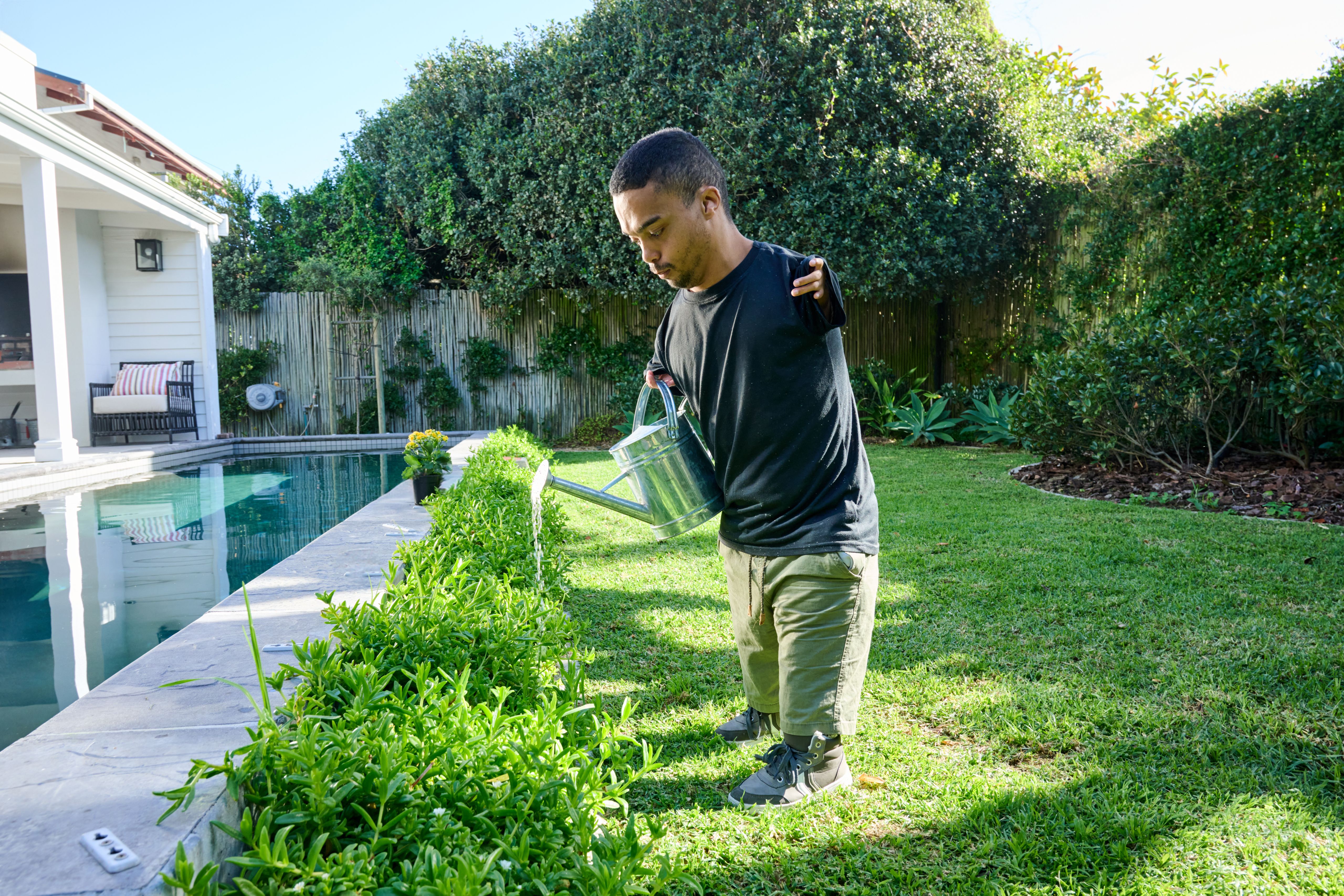
Establish a watering schedule based on the specific requirements of your plants and the current weather conditions. Installing a rain gauge can help you determine when additional watering is necessary. Remember, it's often better to water deeply and less frequently than to water lightly and often.
Myth: Fertilizer Is Always Necessary
Fertilizer can be beneficial, but it's not always required. Many gardeners in Hamilton assume that their plants need constant feeding, but over-fertilizing can lead to excessive growth, weak plants, and environmental harm. It's important to test your soil to understand its nutrient content before adding any fertilizers.
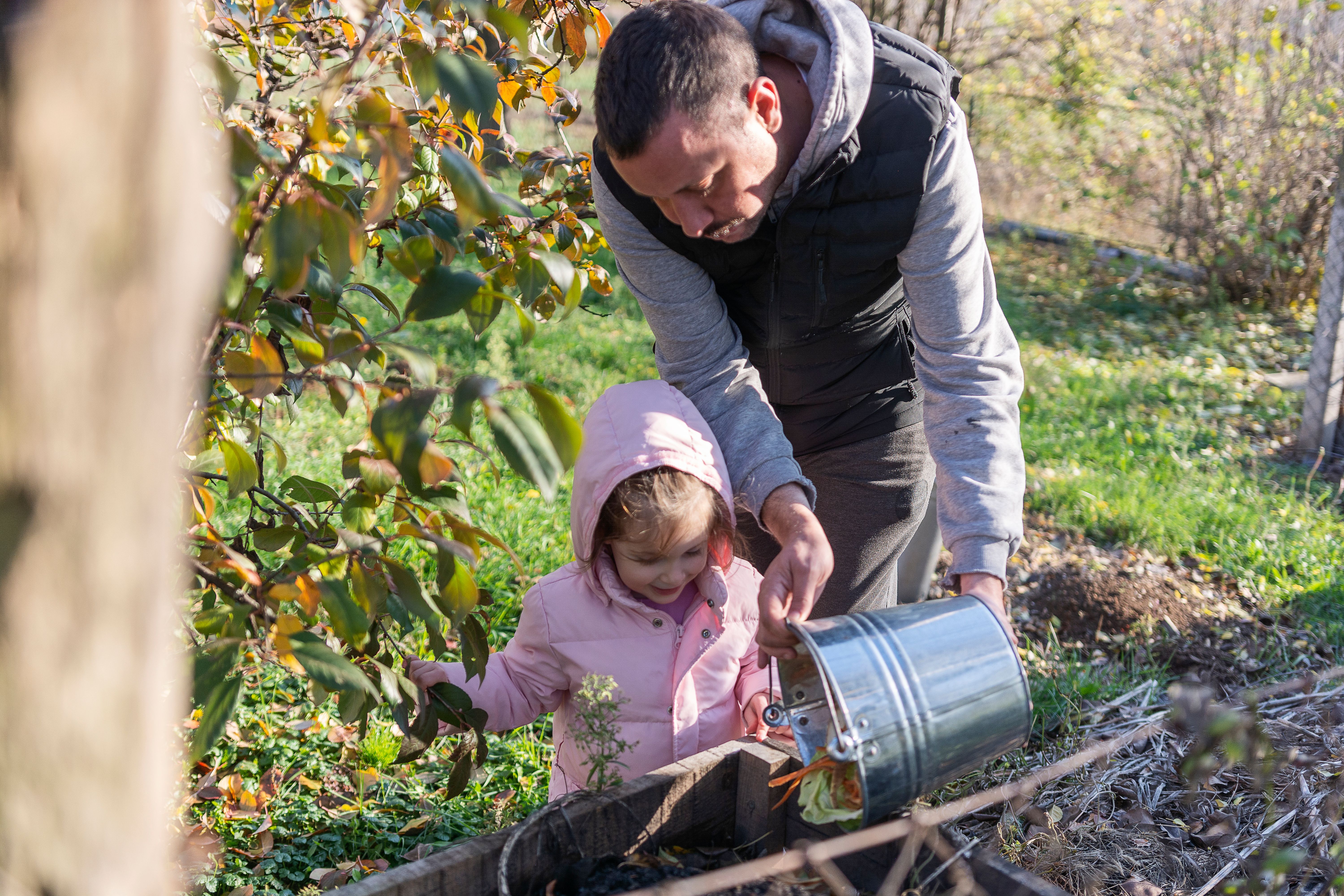
Consider using organic fertilizers that improve soil health over time. Composting is another excellent way to enrich your soil naturally. By understanding your soil's needs, you can apply fertilizers more effectively and sustainably.
Myth: You Must Prune Aggressively
Pruning is an essential part of garden maintenance, but aggressive pruning isn't always beneficial. Over-pruning can stress plants and reduce flowering. It's important to understand the growth habits of each plant to determine the appropriate pruning technique.
Focus on removing dead or diseased branches and shaping the plant to improve air circulation. Prune at the right time of year for each species to encourage healthy growth. Proper pruning helps maintain the aesthetic appeal and overall health of your garden.
Myth: All Weeds Are Bad
While weeds are often viewed as a nuisance, not all weeds are harmful. Some can provide benefits such as attracting beneficial insects or improving soil health. Understanding the types of weeds in your garden can help you manage them effectively.
Identify which weeds are problematic and which can be tolerated. Implement strategies like mulching and proper plant spacing to minimize weed growth. By managing weeds wisely, you can maintain a balanced and healthy garden ecosystem.