
Common Lawn Care Myths Debunked: What Every Homeowner Should Know
JL
Myth 1: Watering Every Day is Necessary
One of the most common lawn care myths is that daily watering is essential for a healthy lawn. In reality, overwatering can lead to shallow root growth and make your lawn more susceptible to disease. Instead, aim for deep, infrequent watering. This encourages roots to grow deeper, making your lawn more resilient.
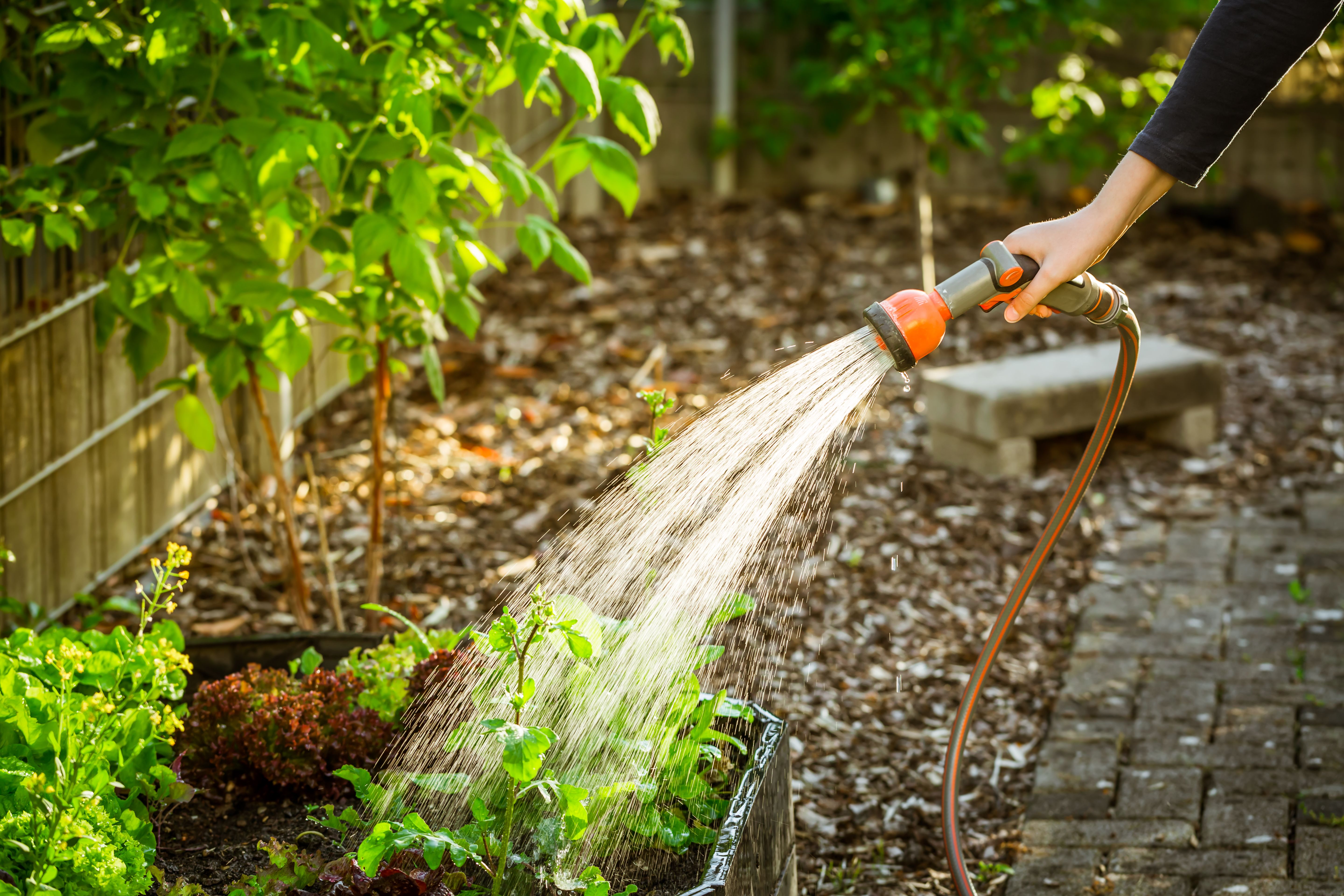
How Much Water is Enough?
Lawns typically need about one inch of water per week, including rainfall. To measure this, place a rain gauge or a small container on your lawn to track how much water your sprinkler delivers.
Myth 2: Shorter Grass Means Less Mowing
Many homeowners believe cutting grass short reduces the frequency of mowing. However, this practice can stress the grass and lead to a patchy lawn. It’s better to follow the “one-third rule”: never cut more than one-third of the grass blade at a time.
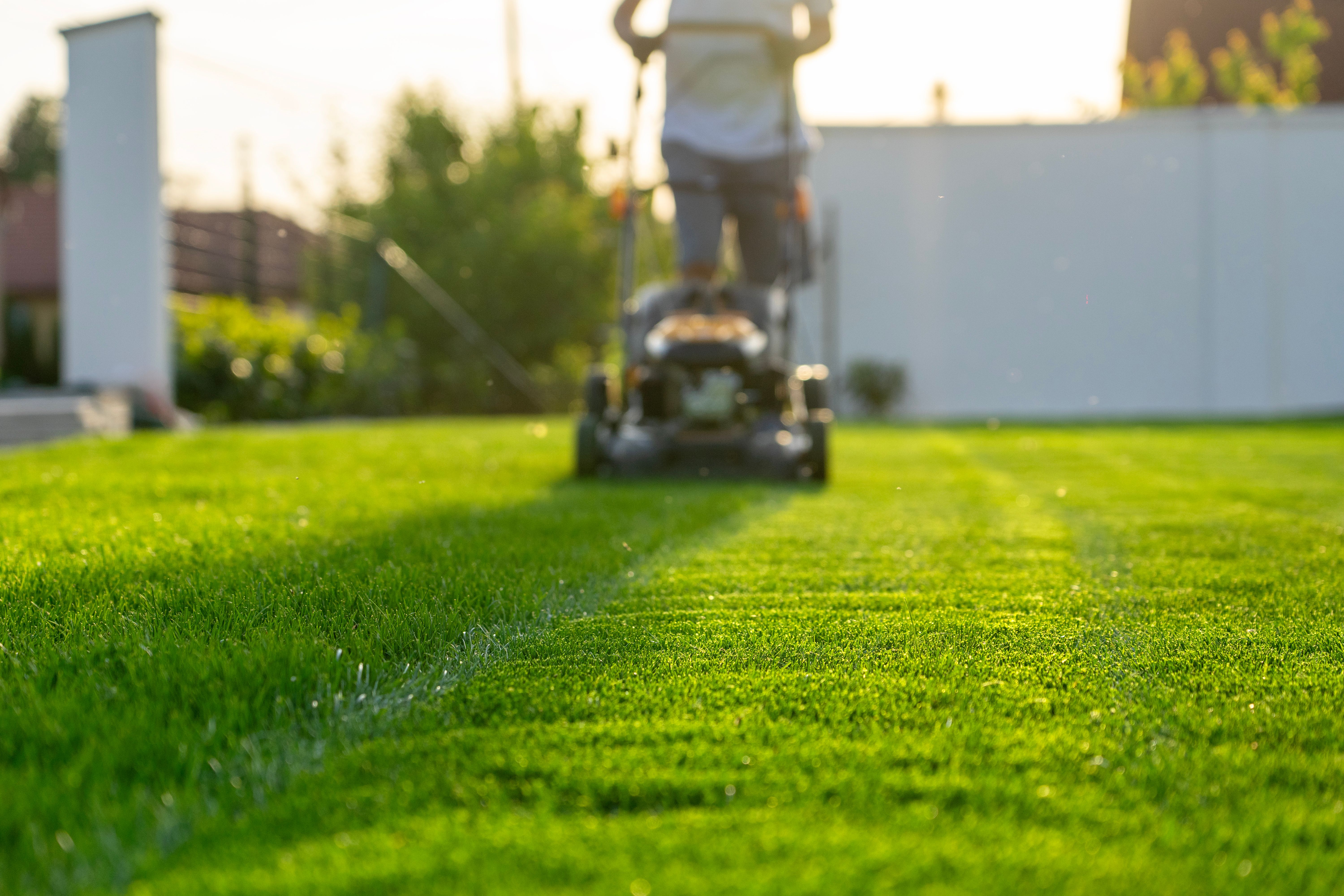
The Benefits of Longer Grass
Longer grass blades provide shade to the soil, reducing evaporation and helping retain moisture. This helps maintain a lush, green lawn and reduces the need for constant watering.
Myth 3: All Fertilizers are Created Equal
Not all fertilizers are the same, and using the wrong type can harm your lawn. It's important to choose a fertilizer based on your lawn's specific needs, whether it’s nitrogen-rich for growth or balanced for maintenance.
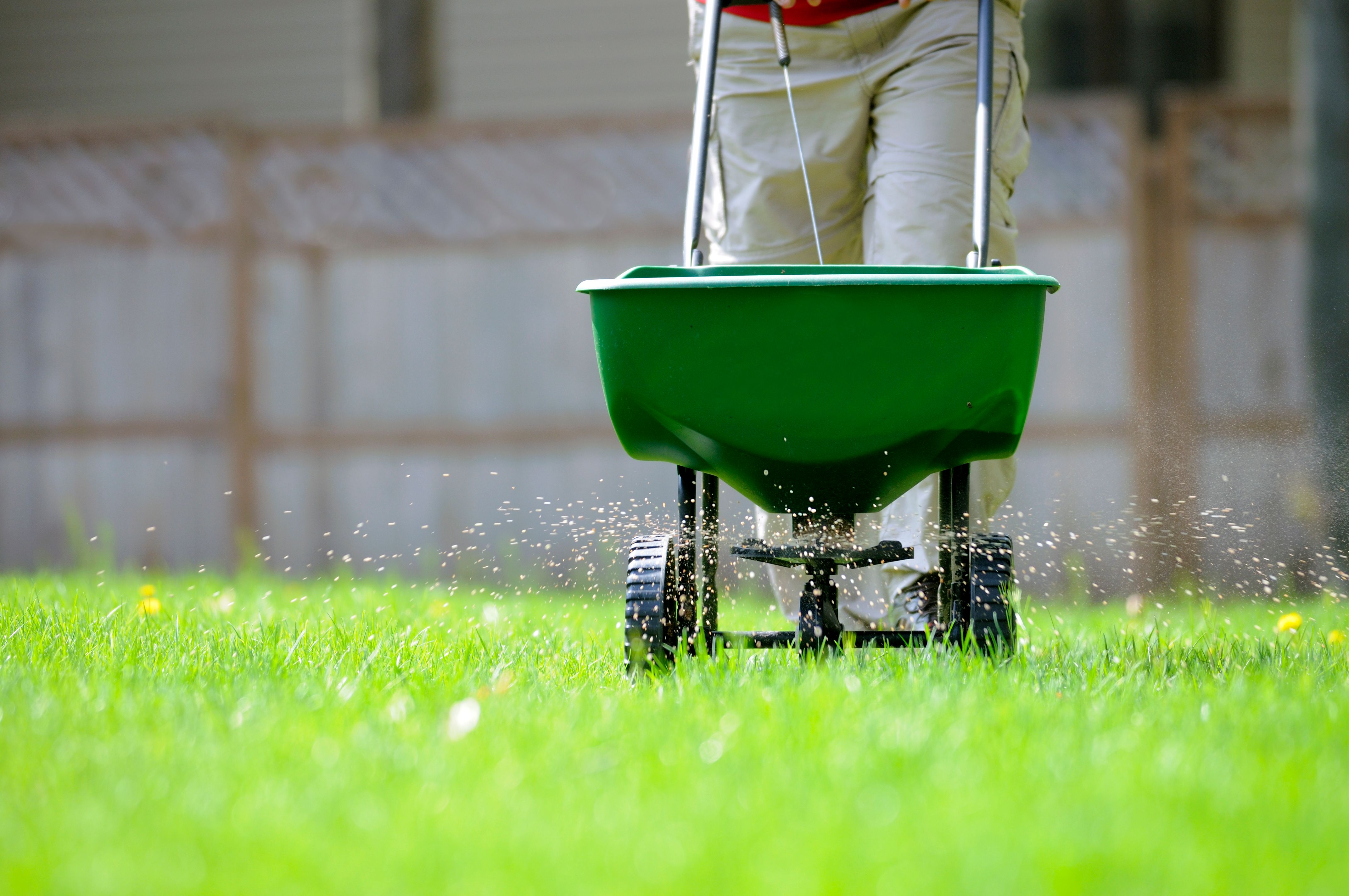
Choosing the Right Fertilizer
Conduct a soil test to determine what nutrients your lawn is lacking. This will guide you in selecting the appropriate fertilizer. Also, follow the recommended application rates to avoid over-fertilizing, which can lead to nutrient runoff and environmental harm.
Myth 4: Weeds are Always a Sign of Poor Lawn Care
Weeds can invade even the best-kept lawns and are not always an indication of neglect. Factors like weather conditions, soil type, and even neighborhood weed pressure can contribute to their presence.
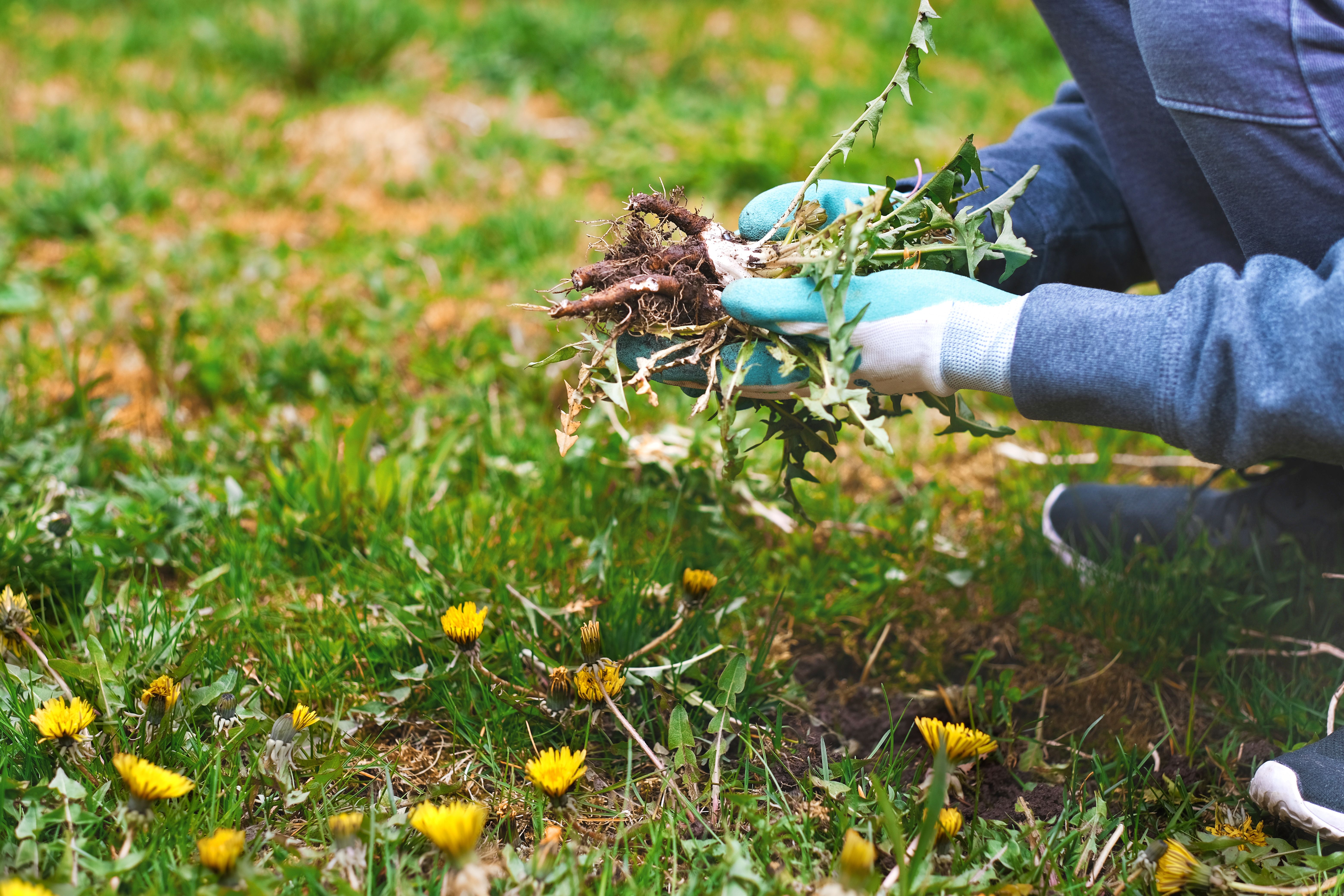
Effective Weed Management
To manage weeds effectively, maintain a healthy lawn through proper mowing, watering, and fertilizing. Consider using pre-emergent herbicides in early spring to prevent weed seeds from germinating. Spot-treat weeds as needed to avoid widespread use of herbicides.
Conclusion
Understanding and debunking common lawn care myths can save homeowners time, money, and effort. By adopting informed practices, you can cultivate a healthy, thriving lawn. Remember, a little knowledge goes a long way in achieving the lawn of your dreams.