
Creating the Perfect Hamilton Garden: Tips from JB Lawn & Garden
JL
Understanding the Hamilton Climate
Creating the perfect garden in Hamilton requires a solid understanding of the local climate. Hamilton's temperate climate, characterized by mild winters and warm summers, provides an ideal environment for a diverse range of plants. However, it's crucial to consider factors like rainfall and potential frost. Planting drought-resistant varieties can help your garden thrive even during dry spells.
Choosing the Right Plants
Selecting plants that are well-suited to the Hamilton climate is essential. Opt for native species that are adapted to local conditions, as they require less maintenance and are more resilient to pests. Consider adding a mix of perennials and annuals to ensure your garden remains vibrant year-round. Some popular choices include lavender, hydrangeas, and native grasses.
Seasonal Planting Guide
Timing is everything in gardening. Planting at the right time ensures better growth and bloom. In Hamilton, spring is perfect for planting most perennials, while autumn is ideal for bulbs. Use an annual planting calendar to keep track of the best planting times for various species.

Soil Preparation and Maintenance
Healthy soil is the foundation of any successful garden. Begin by testing the soil's pH and nutrient levels. Amend the soil with organic matter like compost to improve its fertility and structure. Regularly aerating the soil and adding mulch can also enhance water retention and reduce weed growth.
Watering and Irrigation
Efficient watering is crucial for plant health. Implement a watering schedule that aligns with the local weather patterns. Consider installing an irrigation system to ensure consistent moisture levels, particularly during the hotter months. Drip irrigation is a water-efficient option that delivers moisture directly to the plant roots.

Incorporating Sustainable Practices
Adopting sustainable gardening practices can benefit both your garden and the environment. Composting organic waste reduces landfill contributions and enriches the soil. Additionally, using natural pest control methods, such as introducing beneficial insects, helps maintain ecological balance without harmful chemicals.
Creating Wildlife Habitats
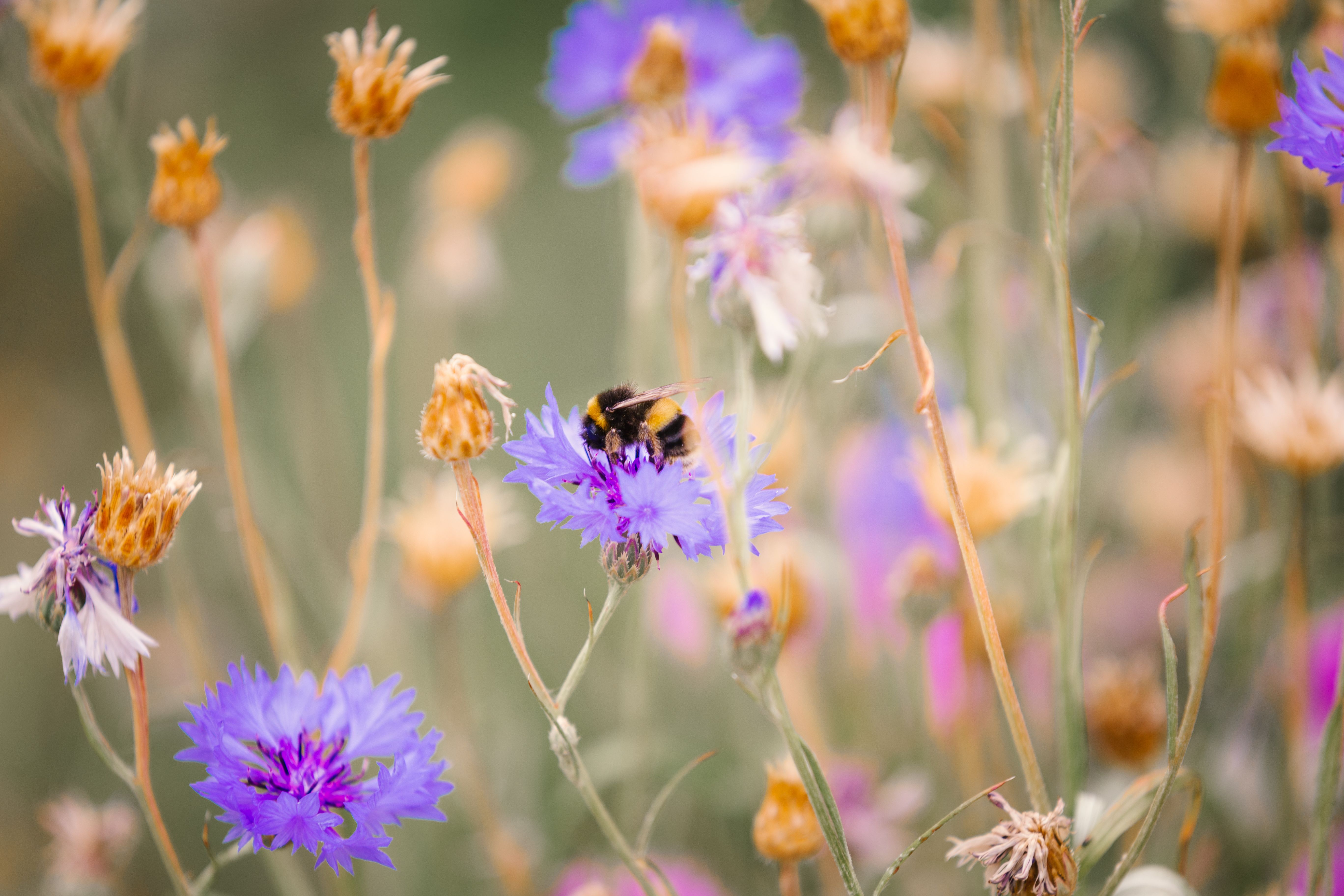
Enhancing biodiversity in your garden by creating habitats for local wildlife is both rewarding and beneficial. Install bird feeders and bat boxes, and cultivate plants that attract pollinators like bees and butterflies. This not only supports local ecosystems but also adds beauty and life to your garden.
Design and Aesthetics
The design of your garden should reflect your personal style and complement your home. Consider pathways, seating areas, and focal points like sculptures or water features. Using a mix of textures and colors in your plantings can create a visually appealing landscape that draws the eye and invites exploration.
By following these tips from JB Lawn & Garden, you can create a thriving and beautiful Hamilton garden that you’ll enjoy for years to come. Happy gardening!