
DIY Garden Irrigation Hacks: Save Water and Money
JL
Introduction to DIY Garden Irrigation
Keeping your garden lush and thriving can be a challenge, especially when water conservation is a priority. With the right DIY irrigation hacks, you can save both water and money while ensuring your plants get the hydration they need. Let’s explore some creative methods to efficiently water your garden.
Understanding Your Garden’s Needs
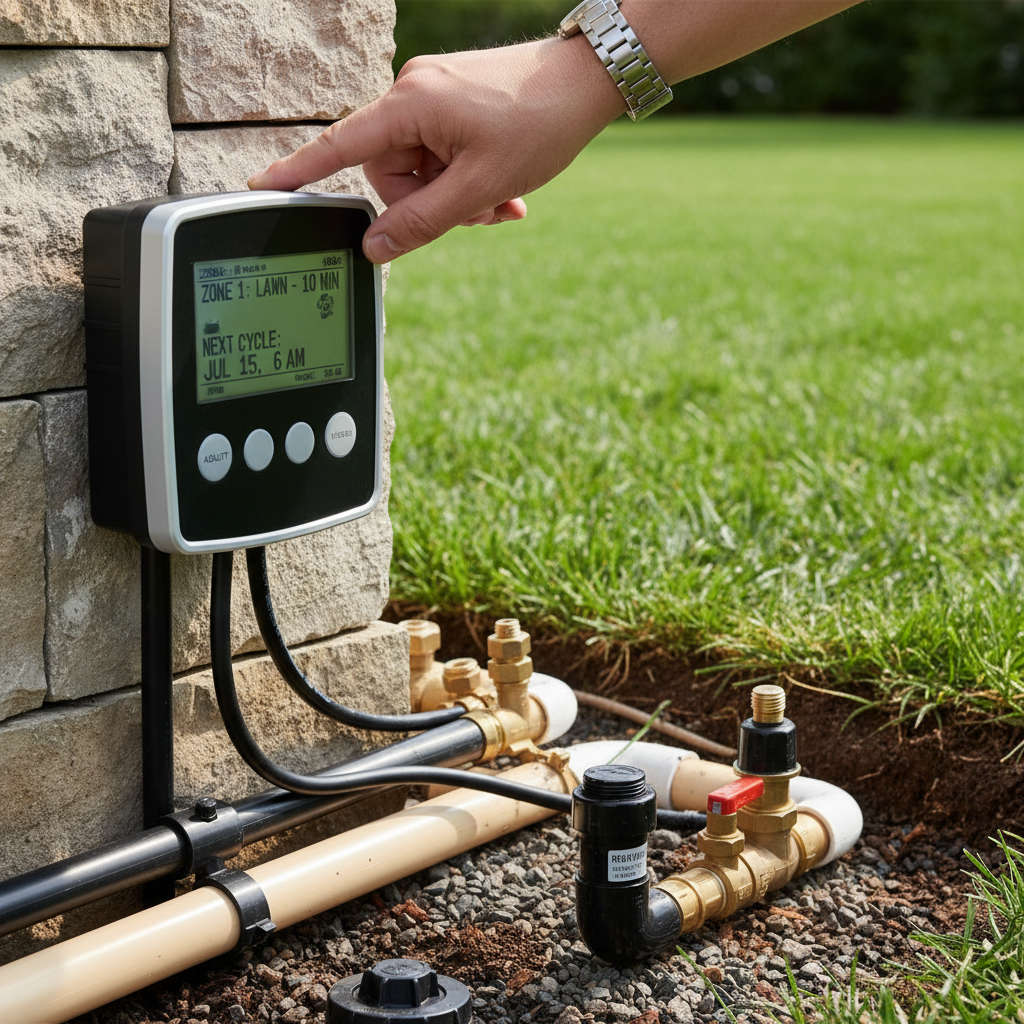
Before setting up any irrigation system, it's essential to understand your garden’s specific needs. Different plants require different amounts of water. Consider factors such as soil type, plant species, and climate. This knowledge will help you tailor your irrigation system to be more effective.
Assessing Soil and Plant Types
Take a moment to assess the soil in your garden. Sandy soils drain quickly, whereas clay soils retain water longer. Knowing this will help you decide how often to water. Additionally, categorize your plants by water needs to ensure each group receives the appropriate amount of hydration.
Simple Drip Irrigation Systems
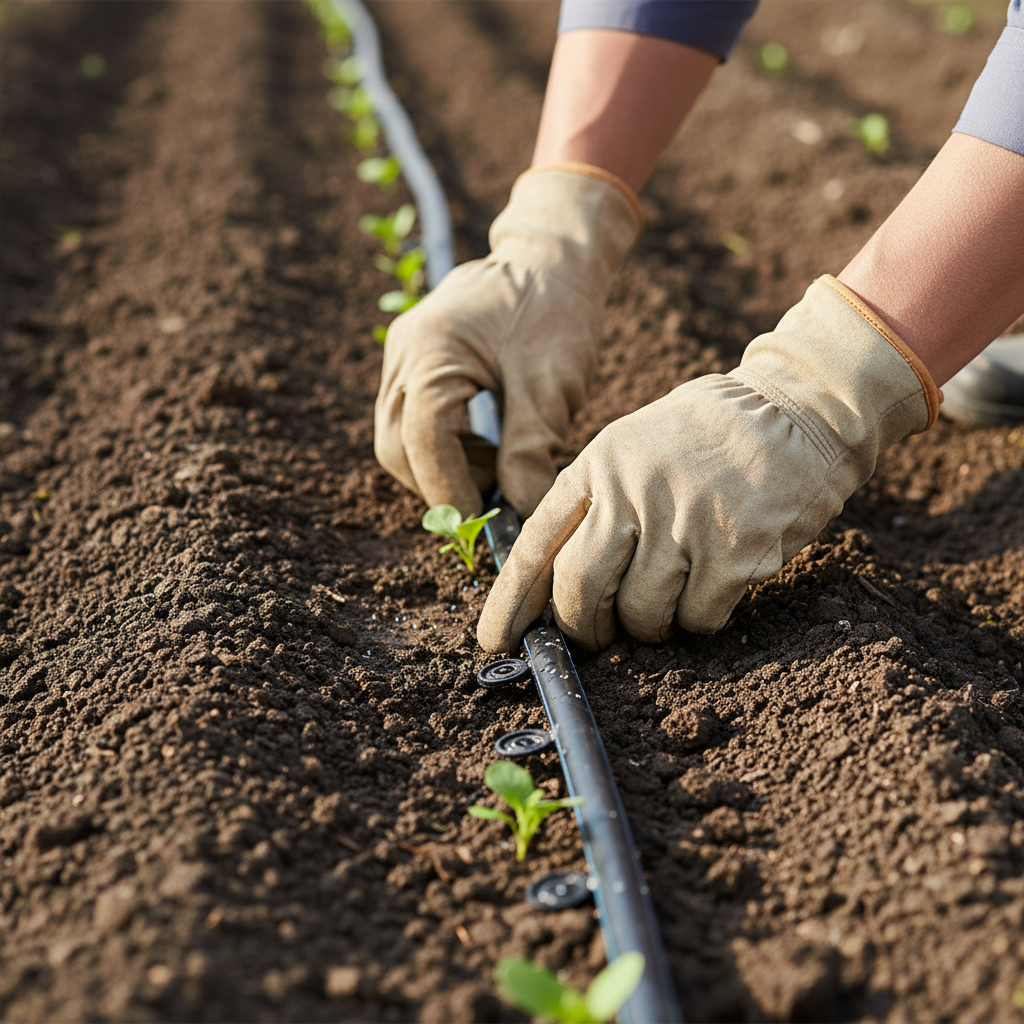
Drip irrigation is a highly efficient way to water plants directly at the root. You can create a simple system using inexpensive materials like plastic tubing and emitters. This method minimizes water waste and delivers moisture precisely where it’s needed.
Creating a DIY Drip System
Start by laying out a network of tubing around your plants. Use emitters to control the flow of water to each plant. You can customize this system easily, adding or removing lines as your garden changes. This flexibility makes drip irrigation an excellent long-term solution.
Using Rain Barrels for Water Collection
Rain barrels are an eco-friendly way to collect and store rainwater for garden use. Placing barrels under downspouts can provide a steady supply of water, reducing your reliance on municipal water sources.
- Position barrels under your gutter downspouts.
- Ensure they have secure lids to prevent debris and insects.
- Consider a filtration system if you plan to use the water for edible plants.

Benefits of Rainwater Harvesting
Using rainwater not only conserves water but also helps reduce your utility bills. It’s naturally soft and free of chemicals usually found in tap water, making it ideal for plants. Plus, in times of drought, having a backup water supply can be invaluable.
Self-Watering Planters
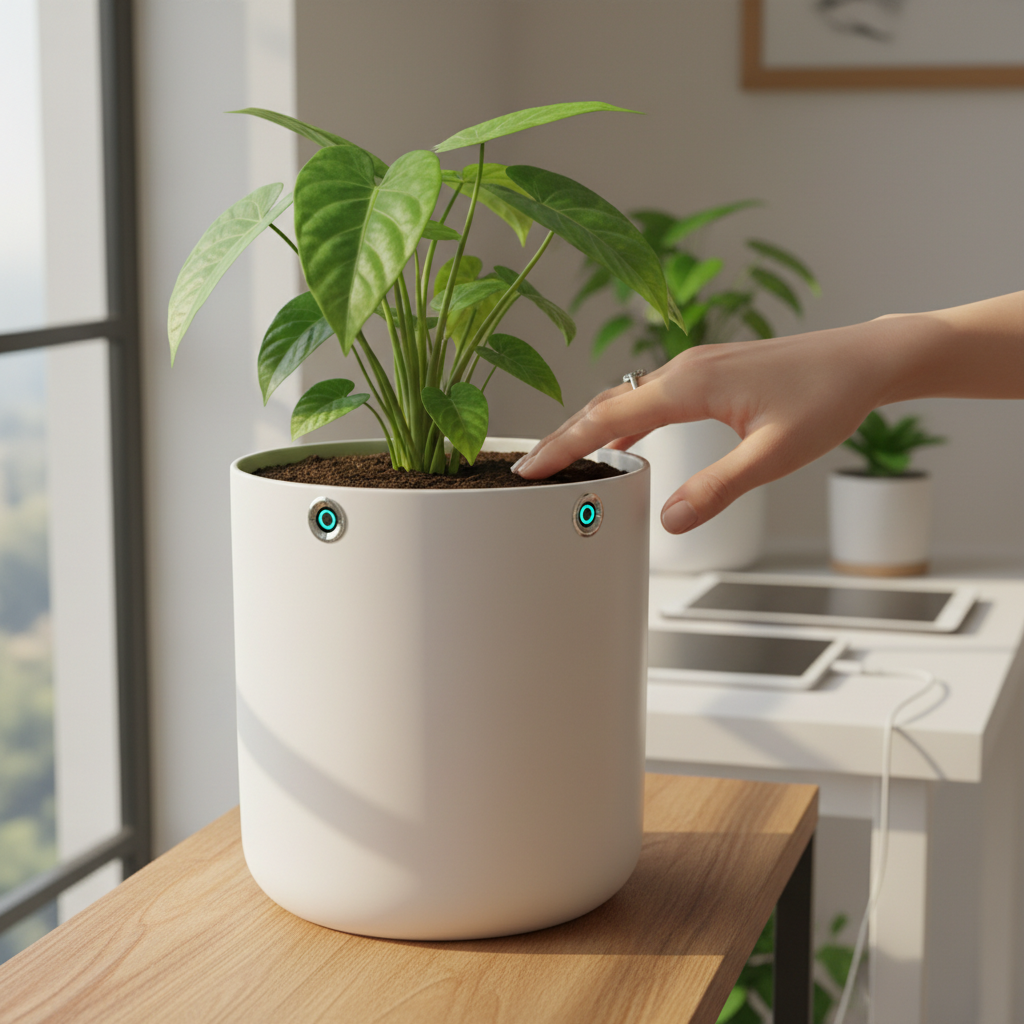
Self-watering planters are another excellent DIY solution. These containers have a built-in reservoir that allows plants to absorb water as needed, reducing the frequency of watering.
Creating Self-Watering Planters
To make your own, start with a large container and create a false bottom with a water reservoir beneath. Use a wick or similar material to help draw water up to the soil. This setup ensures plants receive consistent moisture without overwatering.
Conclusion: Sustainable Gardening
By implementing these DIY irrigation hacks, you can maintain a beautiful garden while conserving water and saving money. These methods not only benefit your wallet but also contribute to a more sustainable lifestyle. Happy gardening!