
DIY Hedge Pruning: Professional Tips for Homeowners
JL
Understanding Hedge Pruning
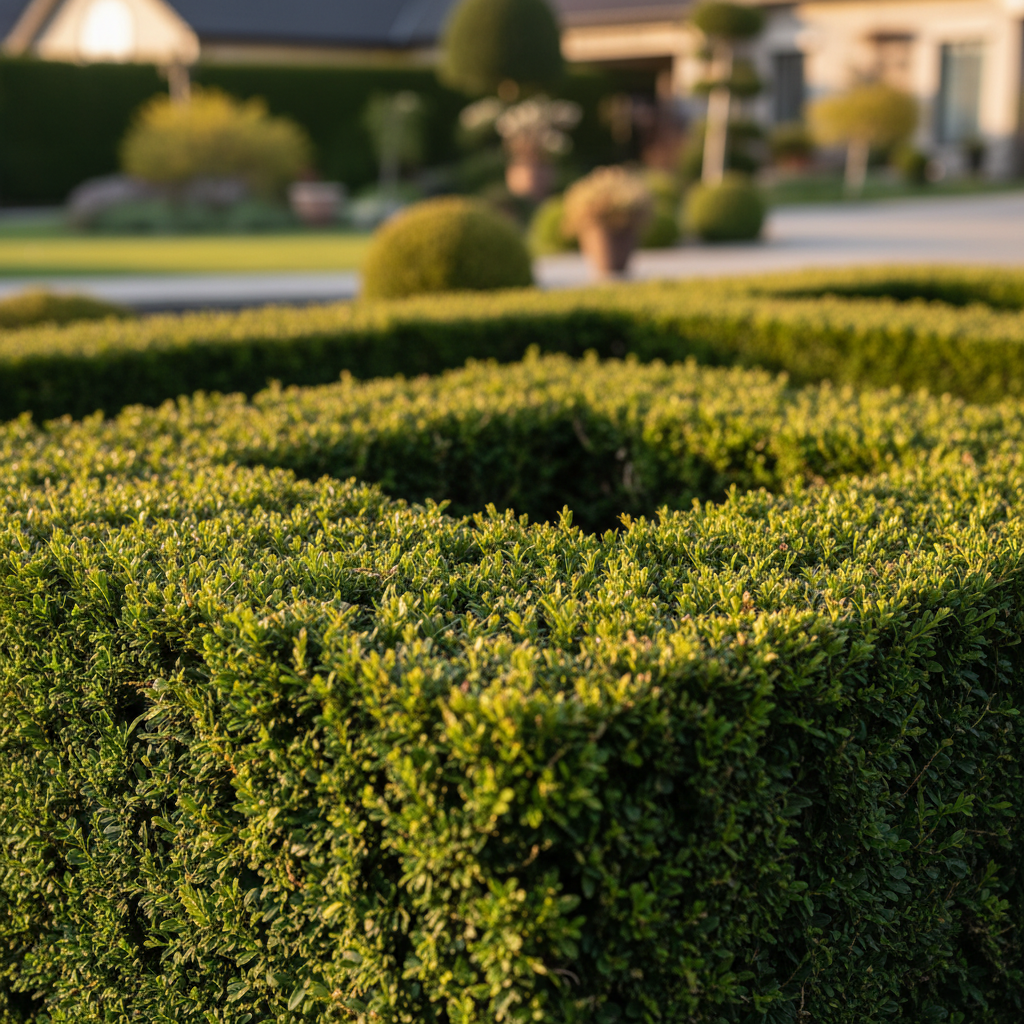
Pruning is essential for maintaining healthy, attractive hedges. Whether you're shaping a formal boxwood or managing a wild privet, knowing how and when to prune can make all the difference. Proper pruning improves plant health by removing dead or diseased wood and encourages new growth.
Essential Tools for Pruning
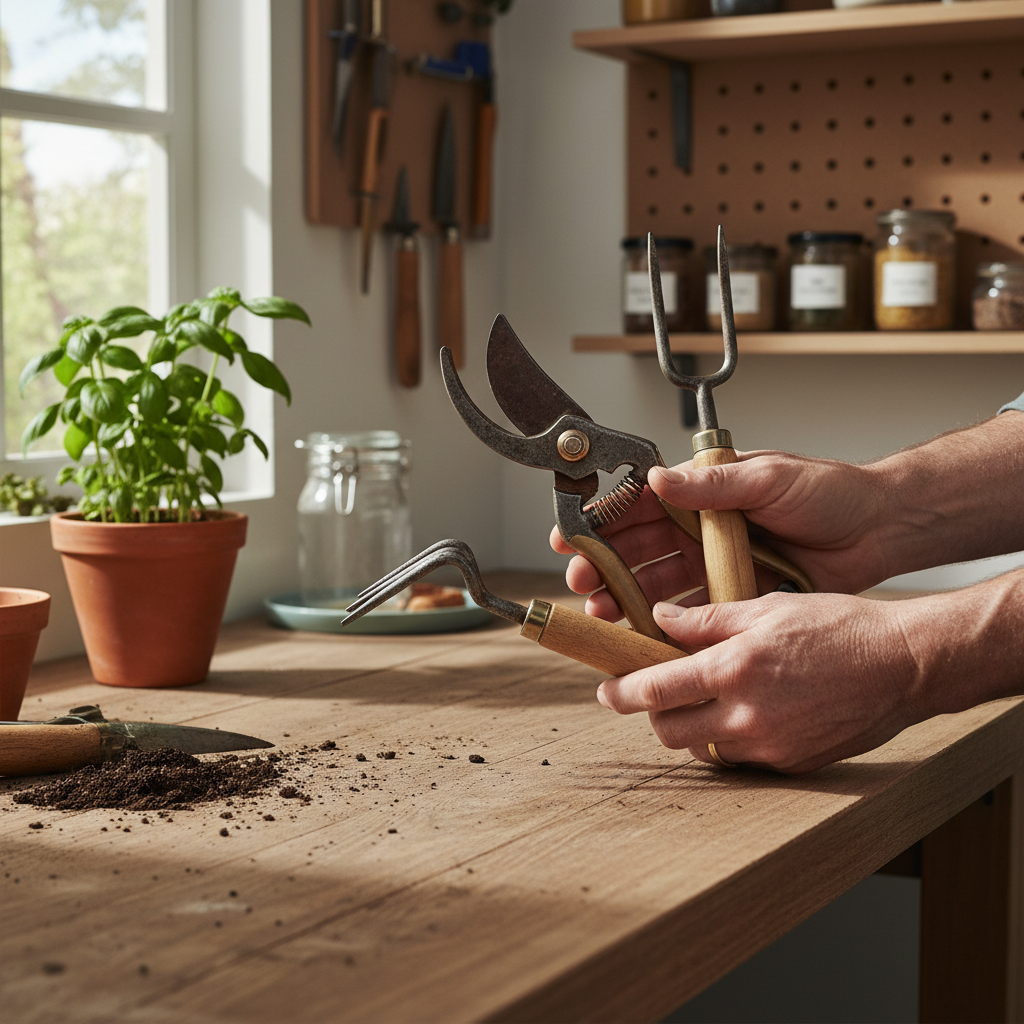
Having the right tools is crucial for effective pruning. Here are some basic tools you'll need:
- Pruning Shears: Ideal for small branches and precise cuts.
- Loppers: Useful for thicker branches up to 2 inches in diameter.
- Hedge Trimmers: Perfect for shaping and trimming larger areas quickly.
- Gloves: Protect your hands from thorns and rough branches.
Maintaining Your Tools
Regular maintenance of your pruning tools ensures clean cuts and prolongs their lifespan. Sharpen blades regularly and clean them after each use to prevent the spread of disease.
When to Prune Your Hedges
Timing is everything when it comes to pruning. Most hedges benefit from pruning in late winter or early spring before new growth begins. However, flowering hedges may require pruning after they bloom to avoid cutting off flower buds.
Consider the Growth Cycle
Understanding your hedge's growth cycle helps you determine the best time for pruning. Evergreen hedges can be pruned slightly throughout the year, while deciduous hedges benefit from a more structured approach.
Pruning Techniques for Healthy Hedges
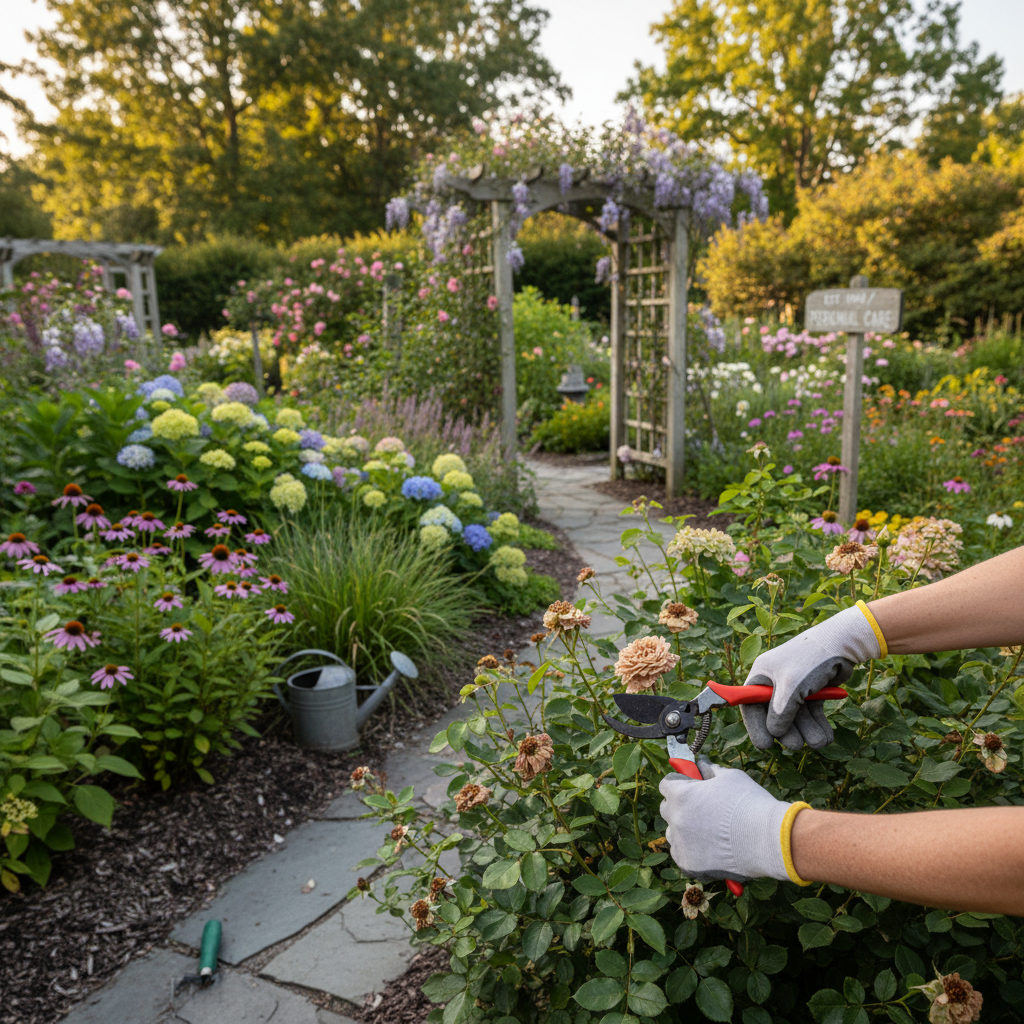
Pruning techniques vary based on the type of hedge and desired shape. Here are some common methods:
- Thinning: Removes selected branches to improve light penetration and air circulation.
- Heading: Cuts back branches to stimulate growth and control size.
- Shearing: Trims the outer edges for a neat appearance, often used for formal hedges.
Safety Tips
Always prioritize safety when pruning. Wear protective gear, be mindful of your footing, and never overreach when using tools. If a branch is too large or difficult to manage, consider consulting a professional.
Aftercare and Maintenance
After pruning, it's essential to care for your hedges to promote recovery and growth. Water them adequately and consider applying a balanced fertilizer to support new growth. Monitor your hedges for any signs of stress or disease and address issues promptly.
By following these professional tips, homeowners can achieve beautifully maintained hedges that enhance the aesthetic of their gardens and provide a lush, green backdrop year-round. Happy pruning!