
Expert Insights: How to Maintain a Healthy Lawn Year-Round
JL
Understanding Your Lawn's Needs
Maintaining a healthy lawn year-round requires understanding its unique needs. The type of grass, soil quality, and local climate all play crucial roles. Evaluate your lawn’s requirements by considering these aspects to tailor your care routine effectively.
Seasonal Care Tips
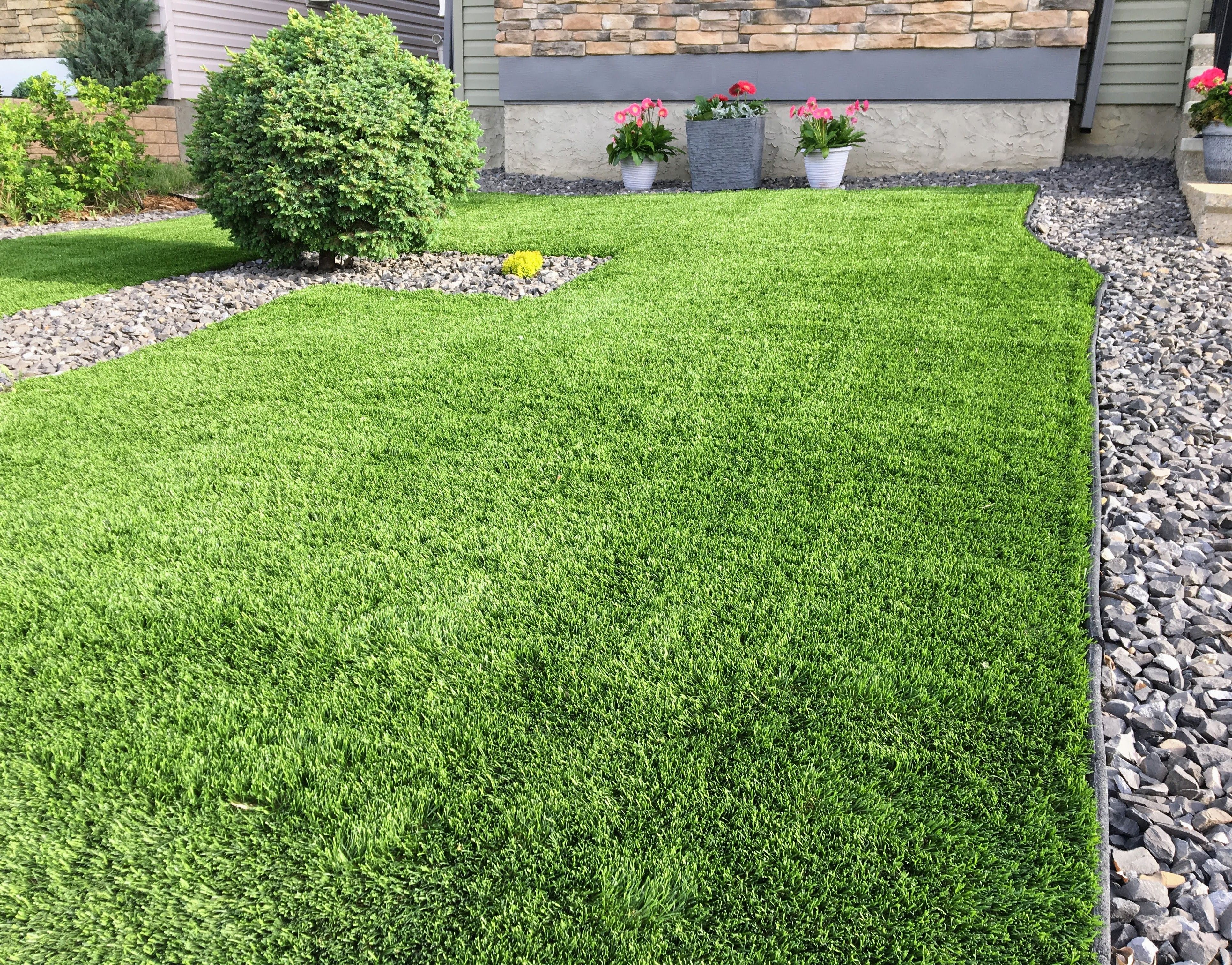
Each season brings different challenges and opportunities for lawn care. In spring, focus on aeration and overseeding to promote growth. During summer, ensure your lawn is adequately watered, especially during dry spells. Autumn is the time for fertilizing and dealing with any lingering pests.
Winter preparation is equally important. Keep your lawn clear of debris and avoid excessive foot traffic when the grass is dormant. Following these seasonal tips can significantly enhance your lawn’s resilience.
Mowing Techniques
Proper mowing is crucial for maintaining a healthy lawn. Adjust your mower blades to the right height for your grass type, generally between 2.5 to 3.5 inches. Mowing too short can stress the grass and make it more susceptible to disease.
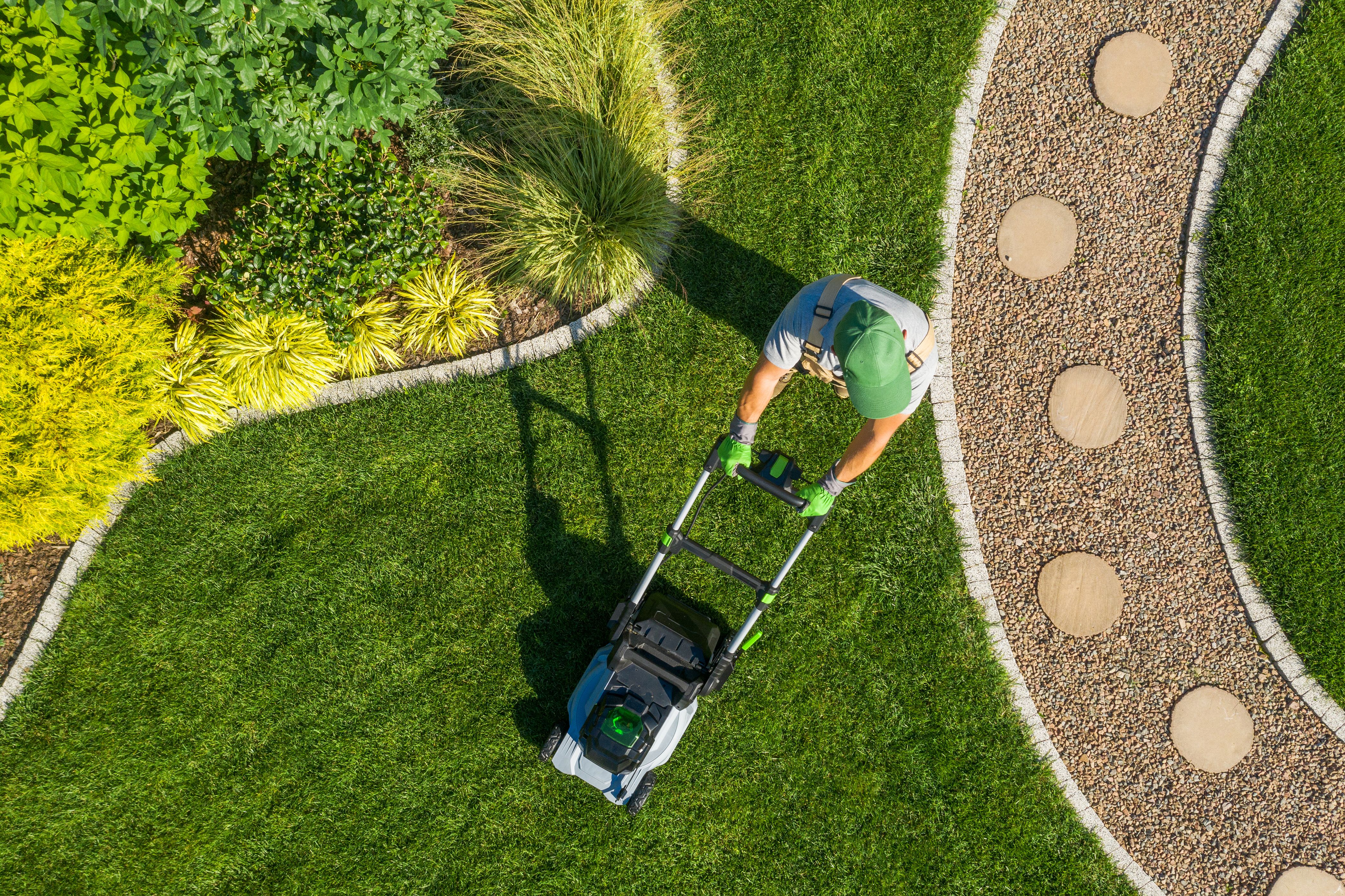
Regular mowing helps control weeds and promotes even growth. Aim to mow when the grass is dry, and keep your mower blades sharp to ensure a clean cut.
Watering Wisely
Watering is a cornerstone of lawn care. It's best to water deeply and infrequently to encourage deep root growth. Early morning is ideal for watering, as it reduces evaporation and fungal diseases. Avoid watering in the evening, as prolonged moisture can lead to problems.
Consider using a rain gauge or smart irrigation system to monitor your lawn’s water intake. Ensuring your lawn receives the right amount of water will keep it lush and vibrant.
Fertilization and Weed Control
Fertilizing your lawn provides essential nutrients that promote growth and resilience. Choose a fertilizer suited to your grass type and apply it at the recommended times, typically in early spring and late fall.
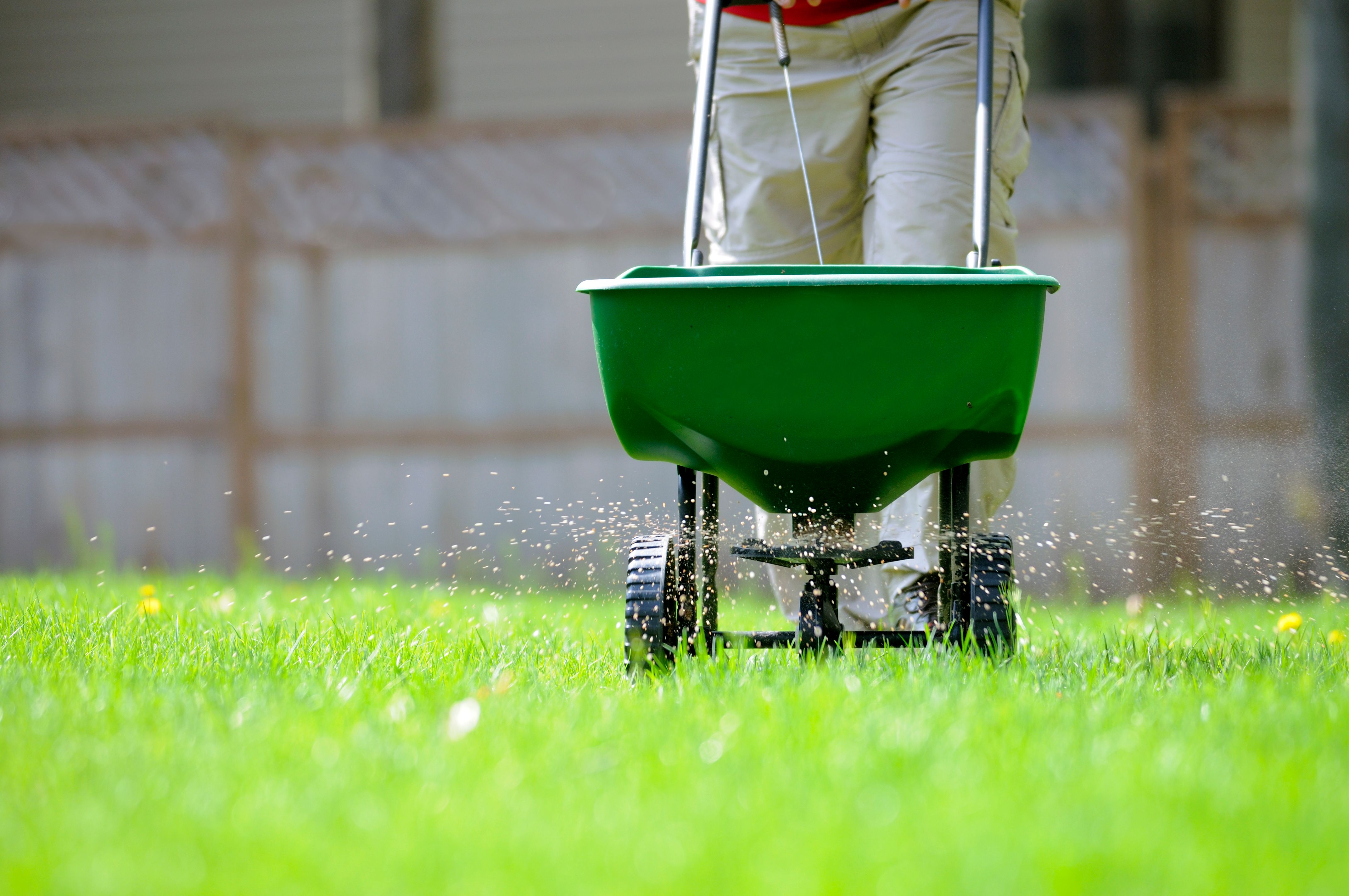
Weed control is also vital. Use pre-emergent herbicides to prevent weeds before they start, and spot treat any that appear. Keeping weeds at bay will help maintain your lawn’s health and appearance.
Addressing Common Lawn Issues
Even well-maintained lawns can encounter issues like pests, diseases, and bare patches. Regular inspection and early intervention are key. Use appropriate treatments for pests and diseases, and consider reseeding or patching bare areas to restore your lawn’s vitality.
By staying vigilant and addressing problems promptly, you can prevent minor issues from becoming major headaches.