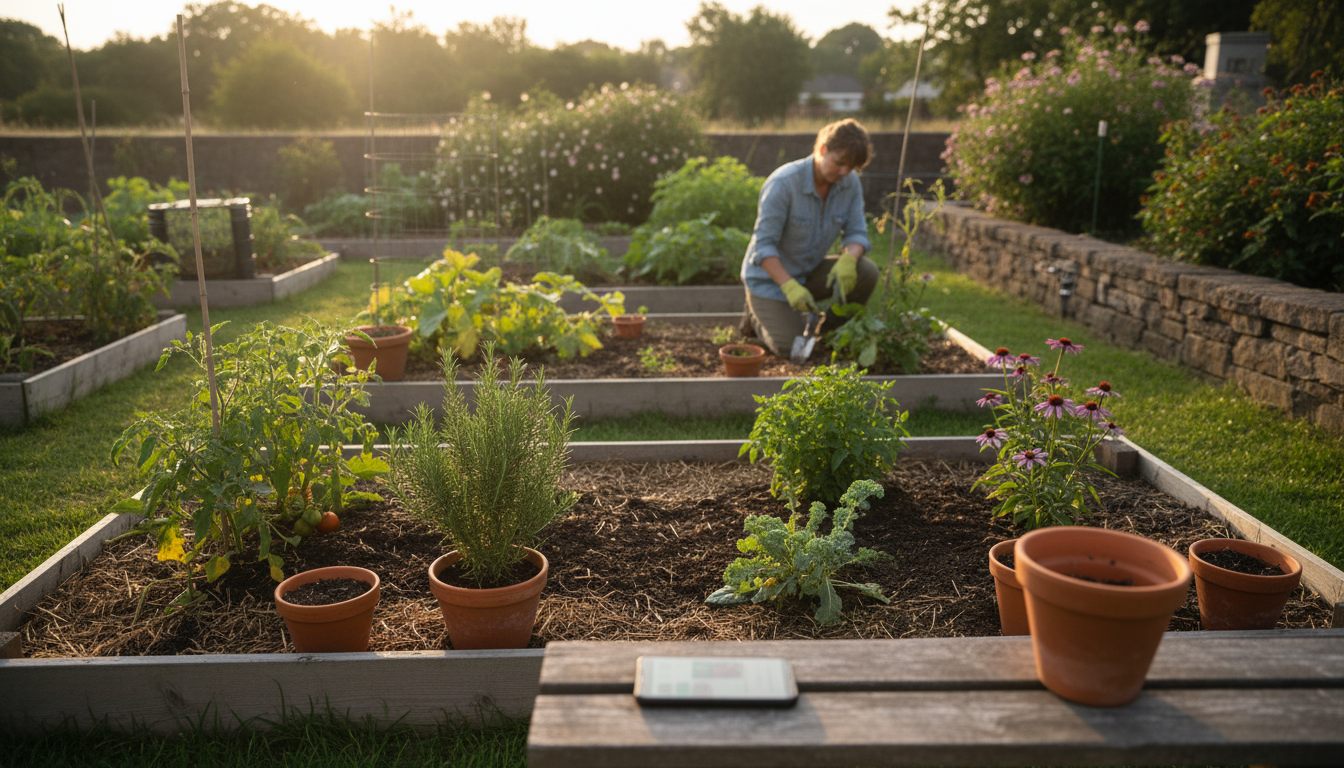
Expert Tips on Hedge Pruning for a Healthier Garden
JL
Understanding the Importance of Hedge Pruning
Pruning is not just about keeping your garden looking neat and tidy. It's a vital practice that promotes the health and longevity of your plants. Regular pruning helps to remove dead or diseased wood, encourages new growth, and improves air circulation within the hedge.
By understanding the growth habits of your plants, you can prune more effectively. This knowledge allows you to time your pruning activities to maximize flowering and fruit production. Investing in the right tools and techniques will ensure your hedge pruning efforts yield the best results.
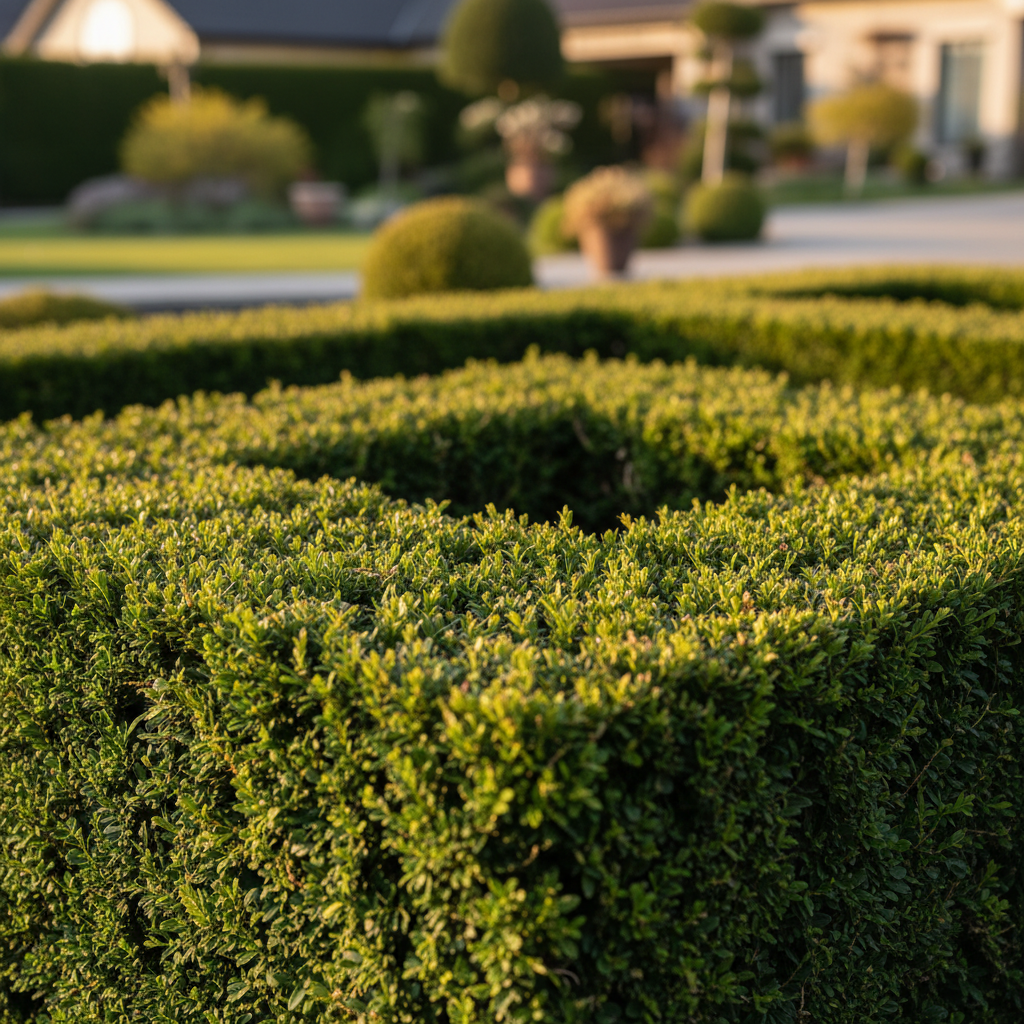
When to Prune Your Hedges
Timing is crucial when it comes to pruning hedges. Generally, the best time to prune is during the dormant season, either late winter or early spring. This is when the plants are not actively growing, making it easier to shape them without causing harm.
However, some hedges may require light trimming during the growing season to maintain shape and encourage bushier growth. Always research specific plant needs to avoid any negative impact on your garden's health.
Tools You'll Need
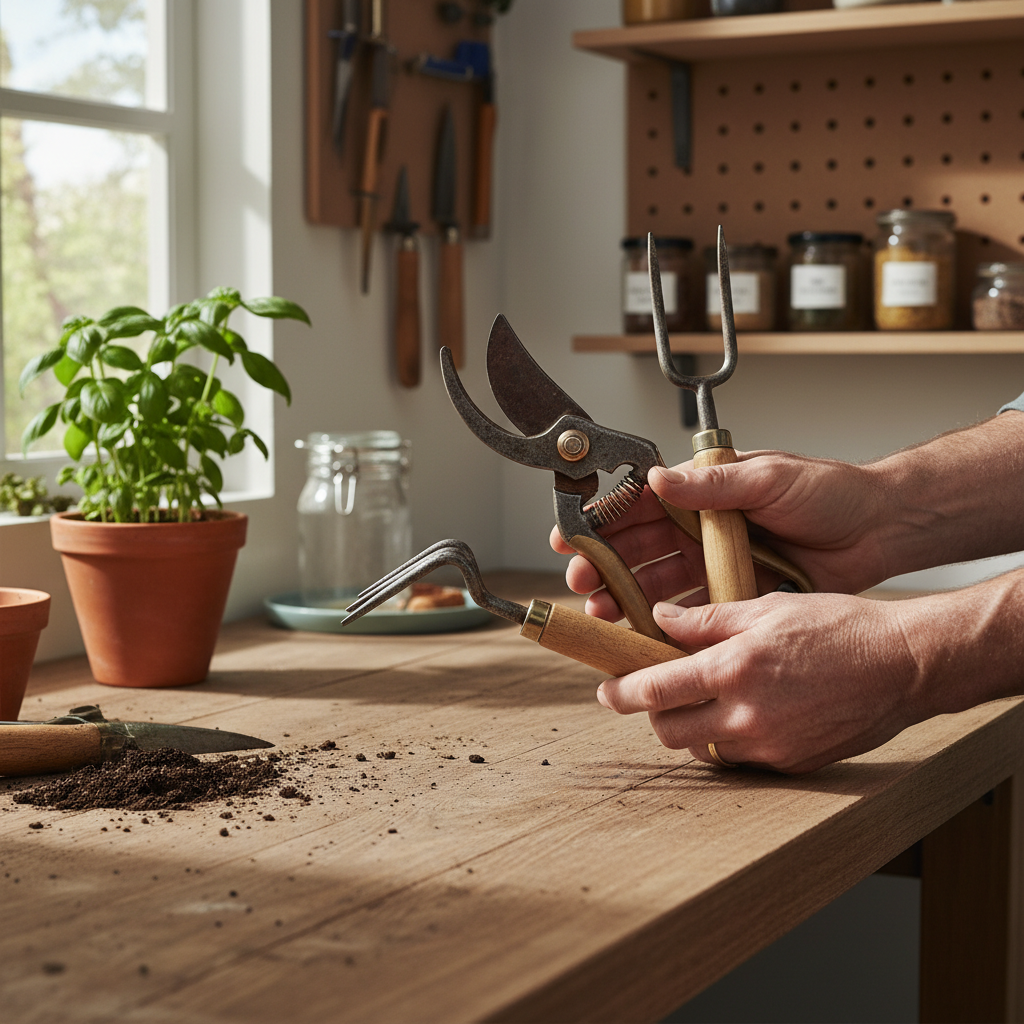
Having the right tools makes all the difference in your pruning efforts. Here’s a list of essential tools for effective hedge pruning:
- Pruning Shears: Ideal for small branches and precision cuts.
- Loppers: Useful for thicker branches that shears can't handle.
- Hedge Trimmers: Perfect for larger hedges requiring uniform shaping.
- Gloves and Eye Protection: Essential for safety while working with sharp tools.
Techniques for Effective Pruning
Mastering the right techniques is key to successful hedge pruning. Start by removing any dead or diseased branches. This prevents the spread of disease and promotes healthier growth.
Next, focus on shaping your hedge. Trim from the bottom up, ensuring the base is wider than the top. This allows sunlight to reach all parts of the plant, ensuring even growth. Always take a step back to assess your work and make adjustments as needed.

Avoiding Common Mistakes
It's easy to make mistakes when pruning, especially if you're new to gardening. One common error is cutting too much at once, which can stress the plant. Instead, aim for gradual shaping over multiple sessions.
Another mistake is neglecting tool maintenance. Blunt tools can damage plants, so always keep your equipment sharp and clean. Regular cleaning prevents the spread of disease and ensures clean cuts.
Aftercare for Pruned Hedges
After pruning, proper aftercare is essential to help your plants recover and thrive. Water the plants adequately, as pruning can cause temporary stress. Applying a balanced fertilizer can also encourage new growth.
Keep an eye on your pruned hedges for any signs of disease or pest infestations. Early detection and intervention are key to maintaining a healthy garden. With these expert tips, your garden will soon be the envy of the neighborhood.