
How to Prepare Your Garden for New Zealand’s Changing Seasons
JL
Understanding New Zealand’s Unique Climate
New Zealand is renowned for its diverse climate, spanning from subtropical regions in the north to cooler, temperate zones in the south. This variety requires gardeners to be adaptable and knowledgeable about the specific needs of their plants. As the seasons change, so do the demands on your garden.

Spring: Awakening Your Garden
Spring is a time of renewal and growth. To prepare your garden, start by clearing away winter debris and dead foliage. This allows sunlight to reach new shoots and minimizes pest habitats. Consider enriching your soil with compost or organic fertilizers to give plants a strong start.
Planting season begins in spring. Choose plants suited to your region’s microclimate. In warmer areas, start with vegetables like tomatoes and peppers, while cooler zones might prefer lettuces and peas.
Summer: Managing Heat and Drought
Summer in New Zealand can bring intense heat and occasional drought conditions. To protect your garden, implement a consistent watering schedule, preferably in the early morning or late afternoon to reduce evaporation. Mulching is crucial as it retains soil moisture and suppresses weeds.

Shade-loving plants or temporary shade cloths can help reduce plant stress during the hottest days. Keep an eye out for pests, which can proliferate in the warmer months.
Autumn: Preparing for the Cooler Months
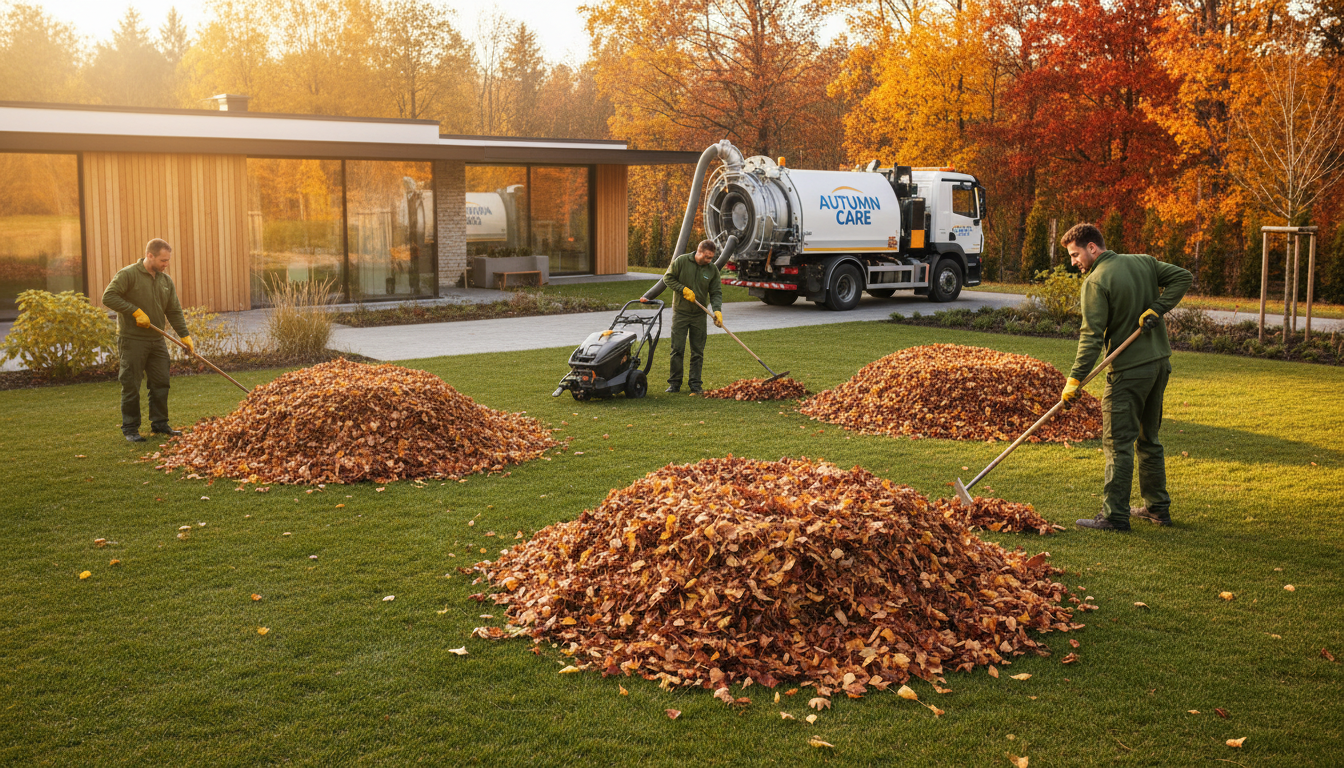
As temperatures begin to drop, autumn is the time to focus on preparing your garden for winter. Start by harvesting the last of your summer crops and planting cover crops such as clover or rye to improve soil health. These also help prevent erosion during the rainy season.
Pruning is essential in autumn. Trim back perennials, remove any diseased plant material, and tidy up shrubs and trees to encourage healthy growth in the spring.
Winter: Protecting and Planning
Winter may seem like a dormant period, but there's still much to be done. Protect frost-sensitive plants with cloches or frost cloths. Ensure your garden beds have adequate drainage to prevent waterlogging, which can damage roots.
Winter is also a great time to plan for the upcoming growing season. Evaluate what worked well in your garden and what didn’t, and start thinking about new plants or layouts you’d like to try in the spring.
Adapting to Climate Change
With climate change affecting weather patterns, New Zealand gardeners must be more flexible than ever. Keep informed about local weather forecasts and be prepared to adjust your gardening practices accordingly. Selecting drought-resistant plants and investing in efficient watering systems can help mitigate some of these challenges.
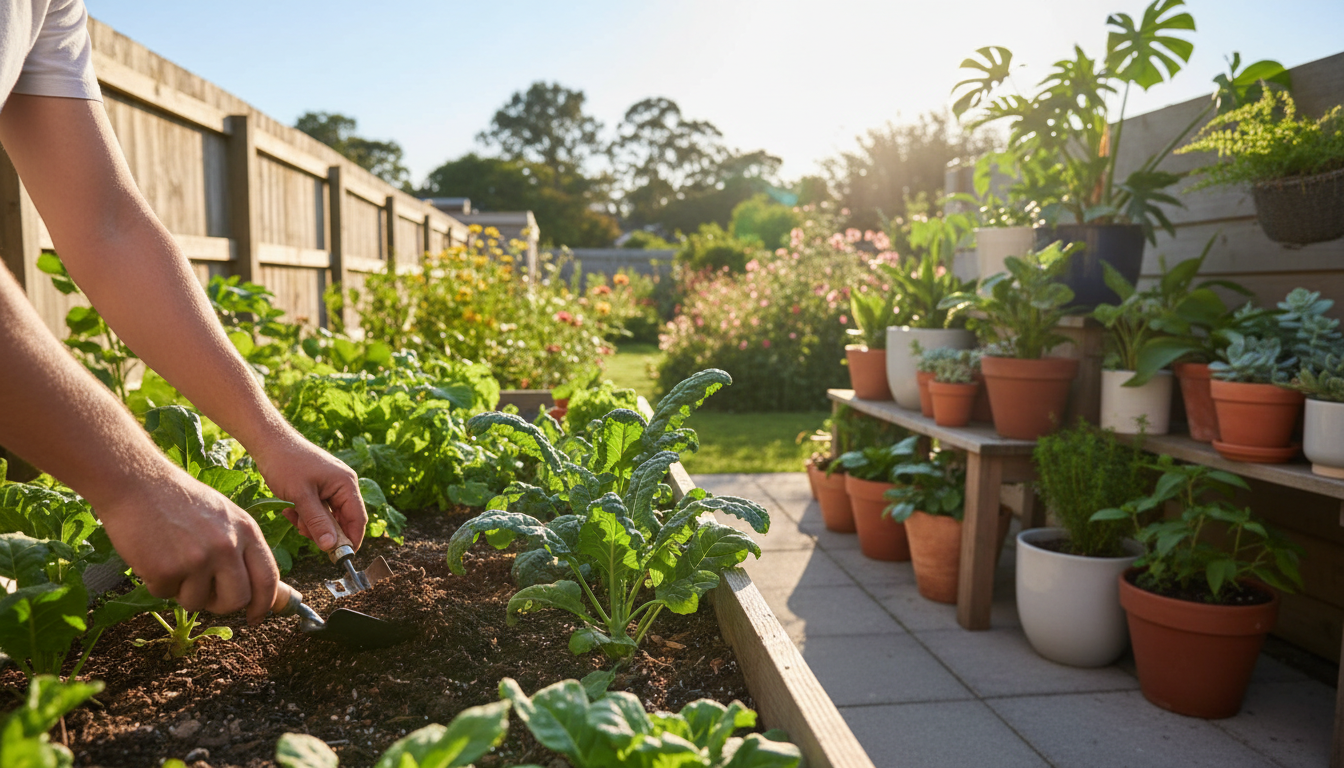
By understanding and responding to the nuances of New Zealand’s changing seasons, you can create a resilient and flourishing garden year-round. Happy gardening!