
The Ultimate Guide to Hedge Pruning for Hamilton Gardens
JL
Hedge pruning is both an art and a science, essential for maintaining the health and beauty of your garden. For the stunning Hamilton Gardens, mastering hedge pruning can transform your green spaces into a visual masterpiece. This guide will walk you through the essentials of hedge pruning, ensuring your garden remains a lush and vibrant sanctuary.
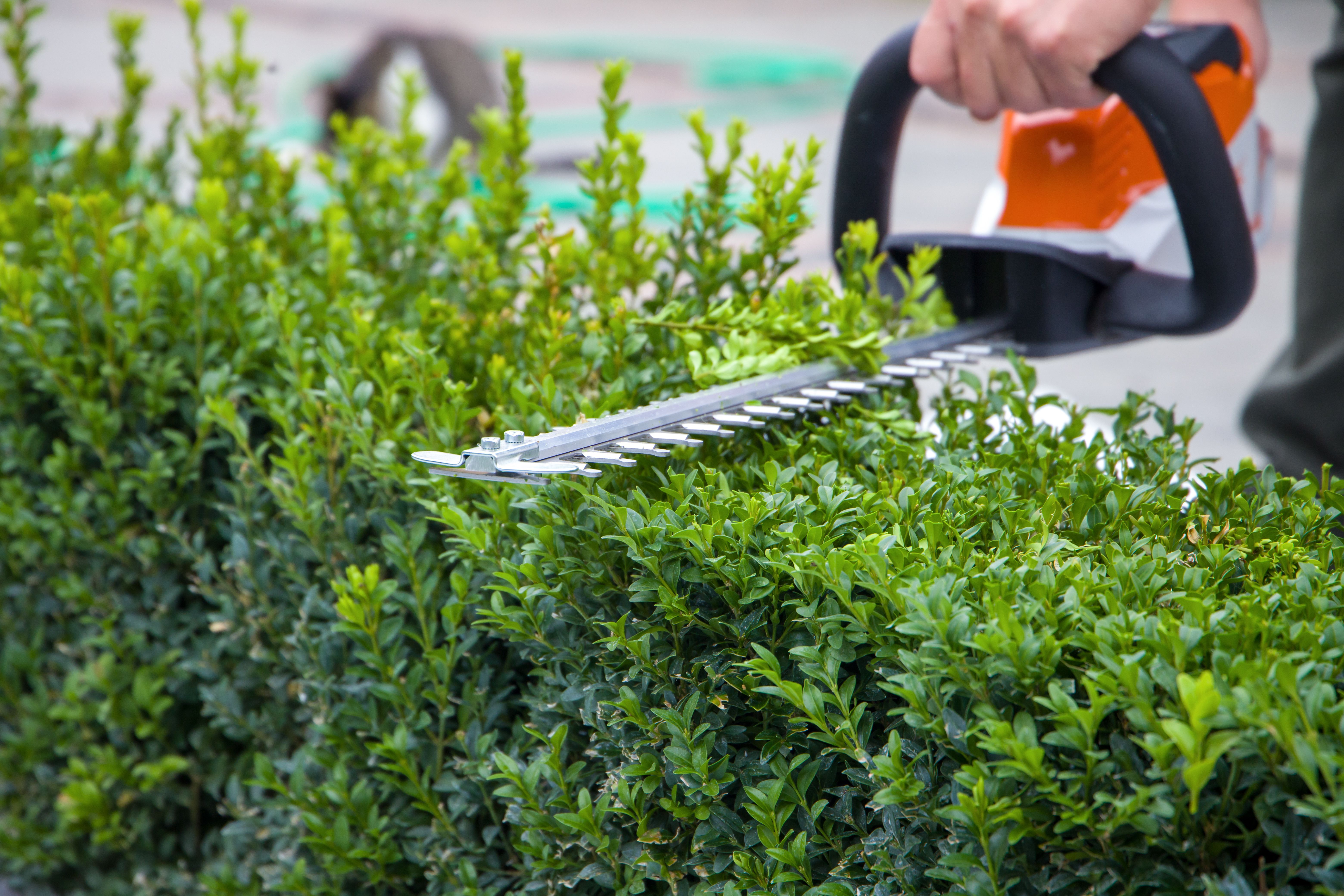
Understanding the Basics of Hedge Pruning
Before diving into the specifics, it's crucial to understand why hedge pruning is important. Pruning helps in shaping hedges, promoting healthy growth, and preventing diseases. Regular pruning also enhances air circulation and sunlight penetration, vital for a thriving garden.
When to Prune Your Hedges
The timing of your pruning can significantly impact the health of your hedges. Generally, the best time to prune is late winter or early spring before new growth begins. However, some flowering hedges may benefit from a post-bloom pruning schedule. Knowing the specific needs of your hedge species is key.
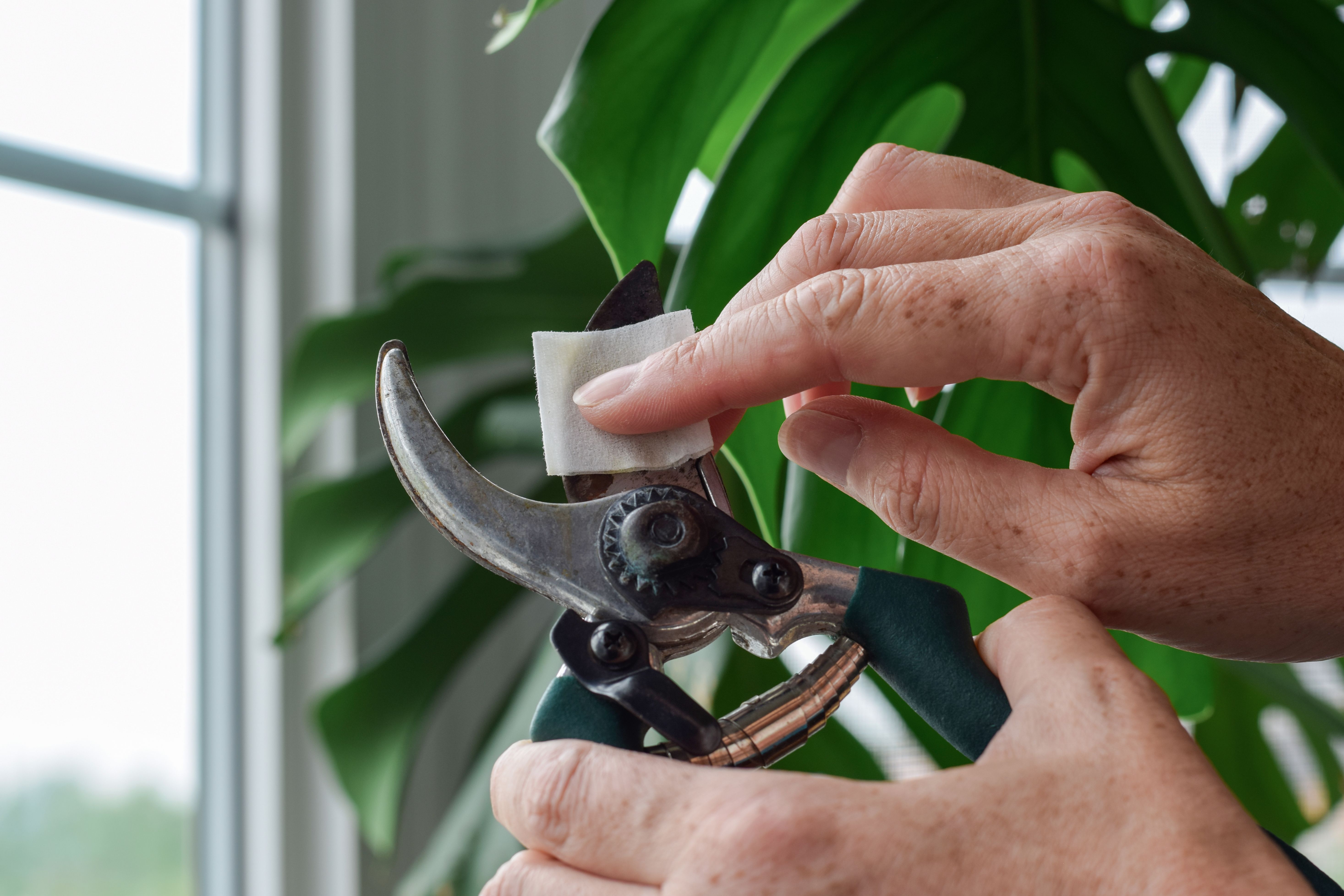
Tools You Need for Effective Pruning
Having the right tools can make all the difference. Basic tools include hand pruners for small branches, loppers for medium-sized branches, and hedge trimmers for large-scale shaping. Ensure your tools are sharp and clean to make precise cuts and avoid spreading disease.
Safety Tips for Pruning
Safety should always be a priority. Wear protective gloves and eyewear to guard against thorns and debris. If using electric trimmers, ensure all cords are clear of your cutting path. Taking these precautions helps in preventing accidents and injuries.
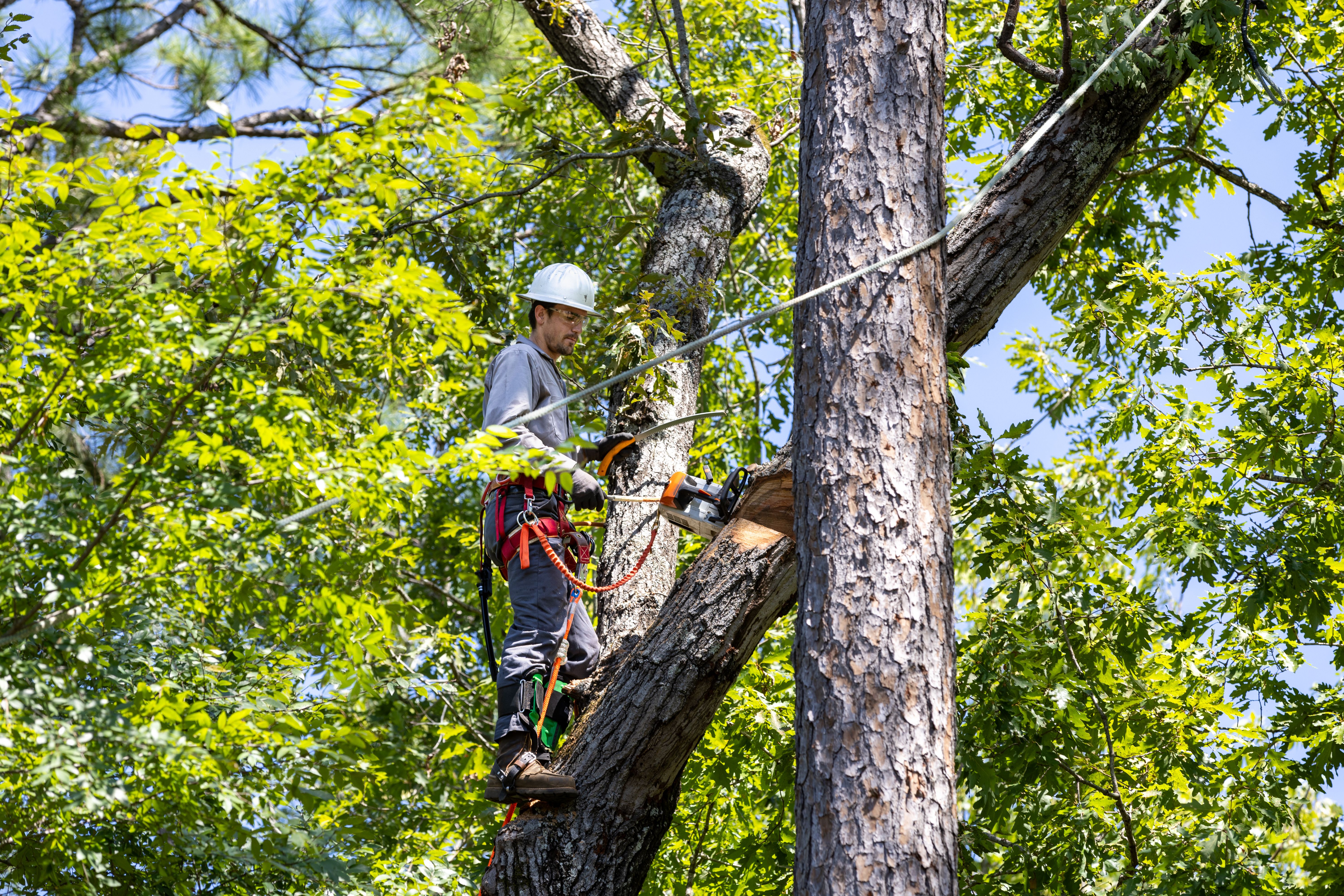
Techniques for Shaping Your Hedges
Shaping hedges requires a steady hand and a clear vision. Start by removing dead or diseased branches. Then, focus on shaping the hedge by cutting back new growth. For a formal look, aim for a flat top and straight sides. Informal hedges can have a more natural, flowing shape.
Common Mistakes to Avoid
Avoid over-pruning, which can stress plants and lead to sparse foliage. Also, be cautious with cutting angles; improper angles can lead to water retention on branches, causing rot. Always cut branches at a slight angle to promote water runoff.

Maintaining Your Hedges
Consistent maintenance is crucial for long-lasting health. Regularly check for pest infestations and signs of disease. Annual or bi-annual fertilizing can support robust growth. Keeping a detailed garden journal can help you track pruning schedules and plant health.
By following these guidelines, you can ensure that your hedges remain a stunning feature of Hamilton Gardens. With a little care and attention, your garden will continue to thrive, providing beauty and tranquility for years to come.