
Top Myths About Hedge Pruning and How to Do It Right
JL
Understanding Hedge Pruning
Hedge pruning is an essential gardening task that not only keeps your garden looking tidy but also promotes healthy plant growth. However, there are numerous myths surrounding this practice that can lead to confusion and poor results. In this post, we will debunk some of these myths and provide tips on how to prune your hedges correctly.
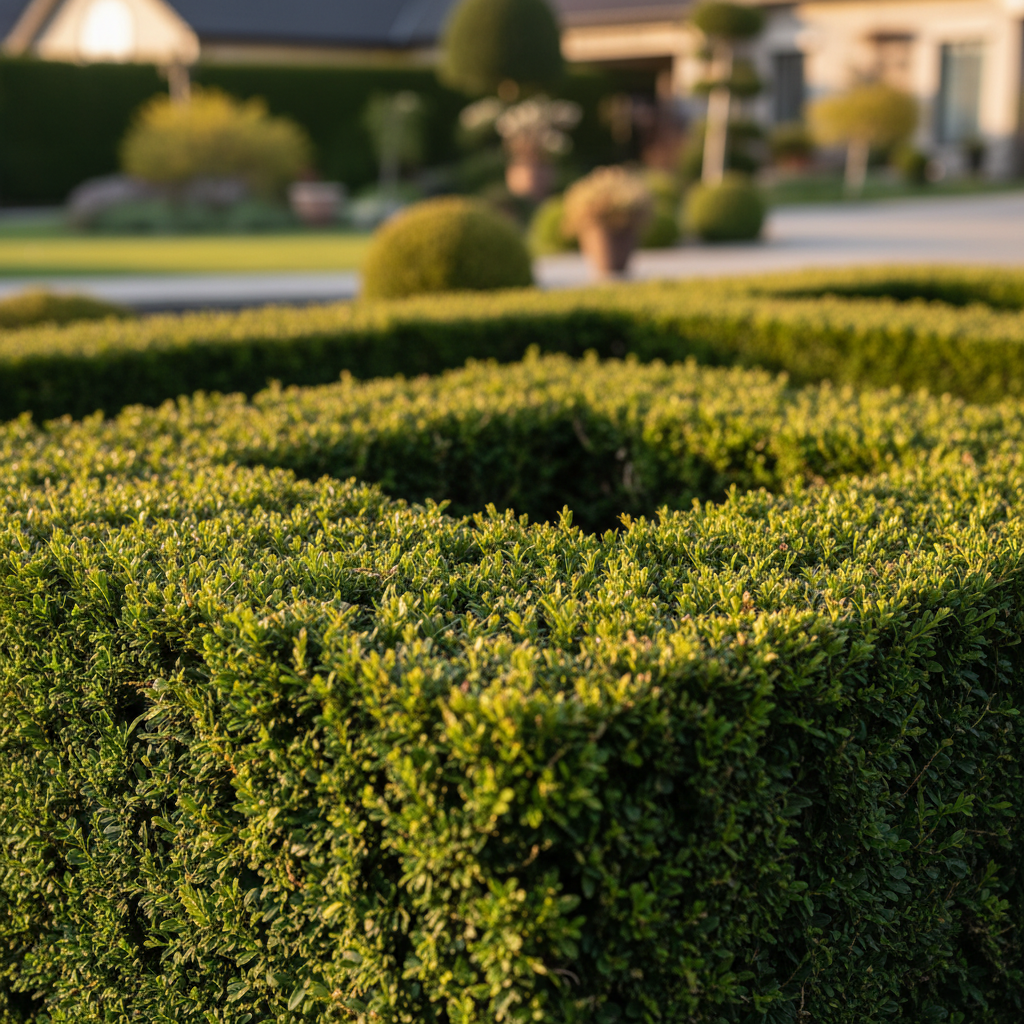
Myth 1: Pruning Can Be Done Anytime
One common misconception is that hedges can be pruned at any time of the year. While some hardy plants may withstand year-round trimming, most hedges have specific pruning windows. Typically, late winter or early spring is ideal as plants are dormant, minimizing stress and encouraging robust growth.
However, it’s crucial to research the specific needs of your plants. For instance, flowering hedges may require pruning after they bloom to avoid cutting off future buds.
Myth 2: Hedges Should Be Pruned Frequently
Another myth suggests that frequent pruning is necessary for healthy hedges. While regular maintenance is important, excessive trimming can weaken plants and inhibit growth. Aim for a schedule that suits your hedge type and growth rate, generally two to three times a year.
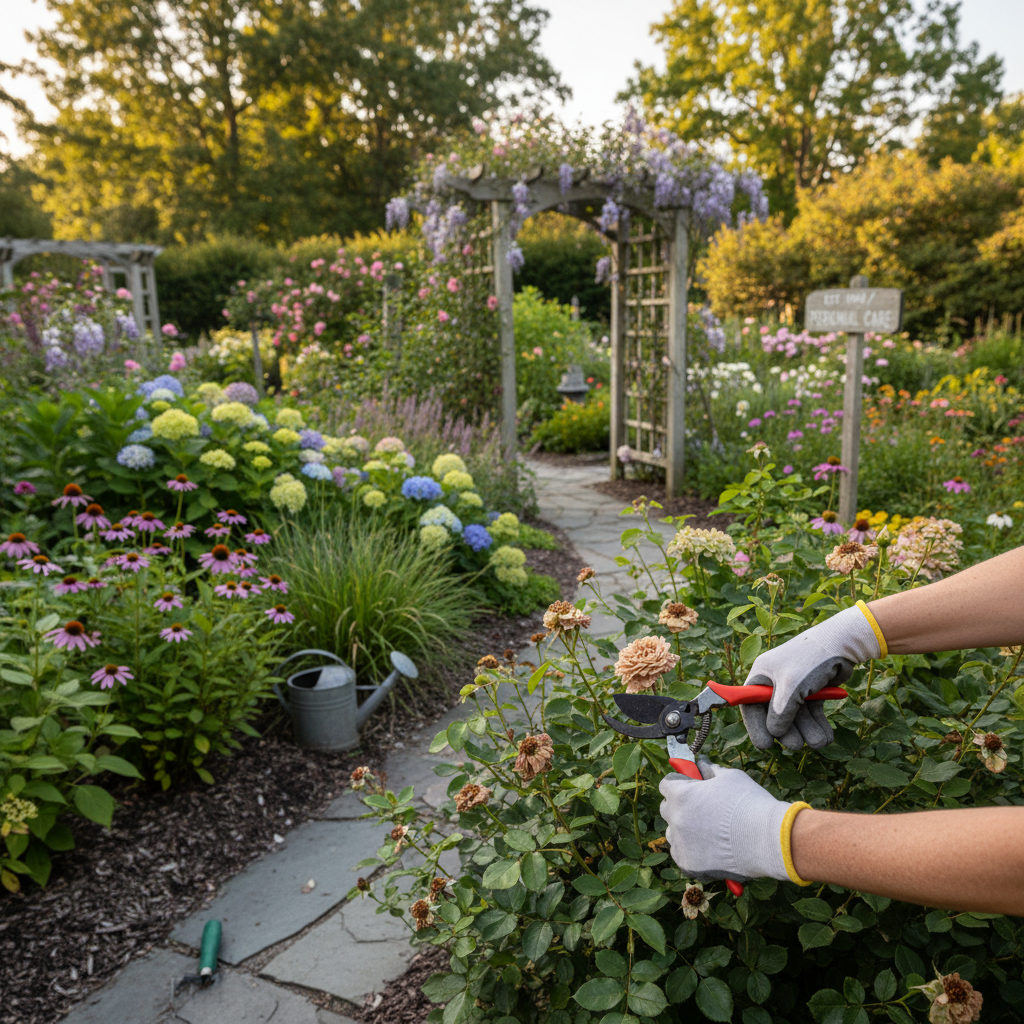
Proper Pruning Techniques
Use the Right Tools
Using the correct tools is crucial for effective pruning. Ensure your shears, loppers, and saws are sharp and clean to make precise cuts and prevent the spread of disease. Investing in quality tools will make the task easier and more efficient.
Shape with Purpose
When shaping your hedges, aim for a tapered design with a wider base and narrower top. This allows sunlight to reach lower branches, promoting even growth. Avoid flat tops, as they can lead to uneven light distribution and weak growth.
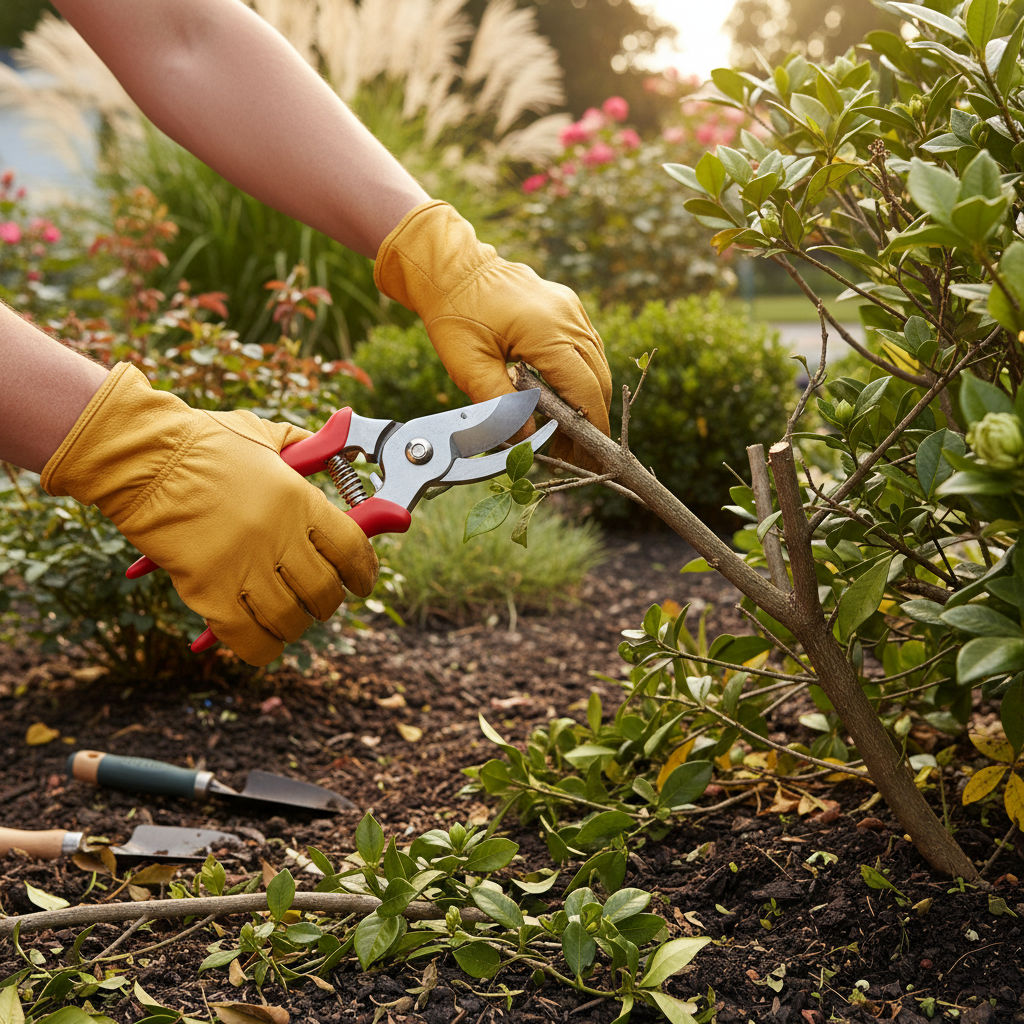
Myth 3: Pruning Damages Plants
Some gardeners fear that pruning will harm their plants, but when done correctly, it actually benefits them. Pruning removes dead or diseased branches, improving air circulation and sunlight exposure, which are critical for plant health.
Additional Tips for Successful Pruning
- Inspect Regularly: Keep an eye on your hedges for signs of disease or pest infestations.
- Hydrate: Water your plants adequately before and after pruning to help them recover.
- Mulch: Applying mulch can help retain soil moisture and prevent weed growth.
By understanding these myths and employing proper techniques, you can ensure your hedges remain a thriving part of your garden landscape. Happy gardening!