
Understanding Garden Irrigation: Common Myths Debunked
JL
Introduction to Garden Irrigation
Garden irrigation is essential for maintaining a healthy and vibrant garden. However, there are many myths surrounding this practice that can lead to inefficient water usage and less-than-optimal plant growth. Understanding the truth behind these myths can help you make better decisions for your garden.
Myth 1: All Plants Need the Same Amount of Water
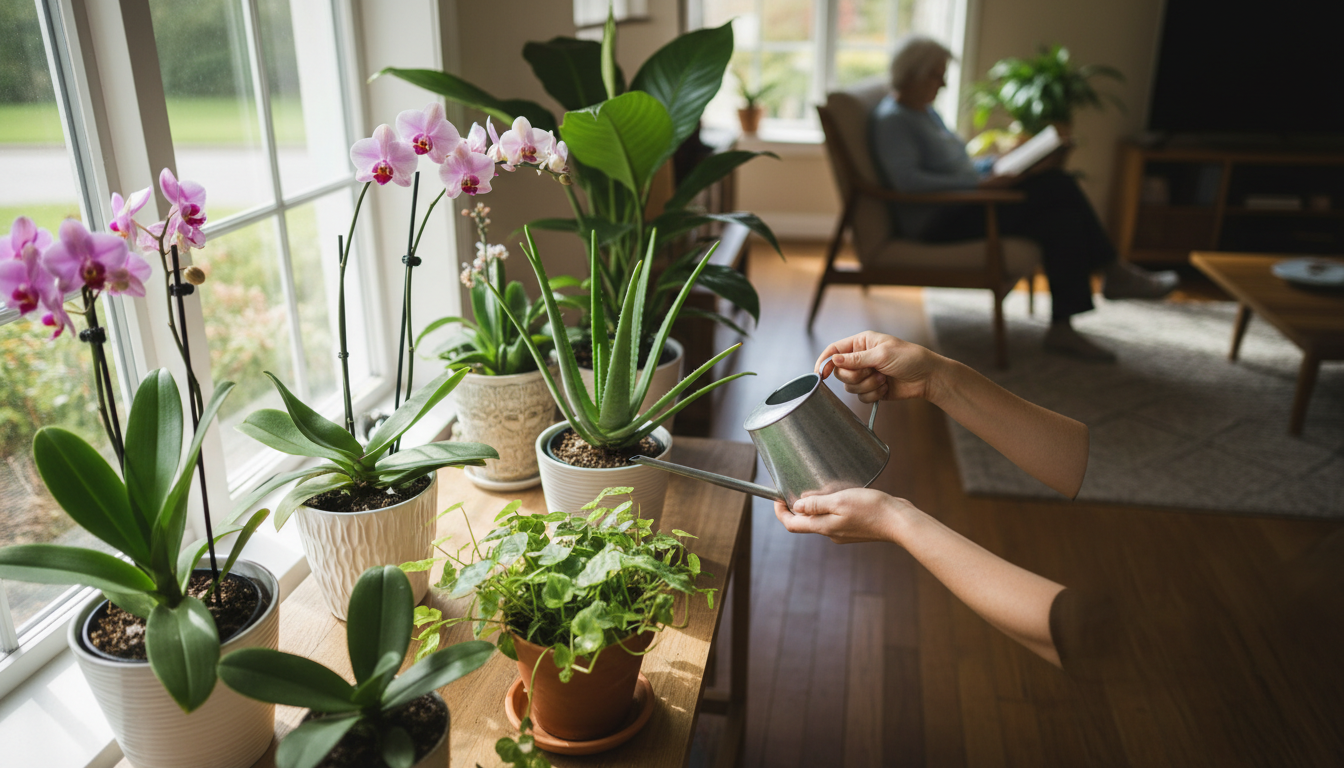
One common misconception is that all plants require the same amount of water. In reality, different plants have different water needs based on their species, size, and growth stage. For instance, succulents and cacti require much less water compared to vegetables like tomatoes or cucumbers. Understanding your plants' specific needs can lead to more efficient irrigation.
Factors Influencing Water Requirements
Several factors can influence how much water a plant needs, including:
- Soil type
- Climate and weather conditions
- Plant size and growth rate
By considering these factors, you can tailor your watering schedule to better suit your garden's needs.
Myth 2: Overhead Sprinklers Are the Best Option
Many gardeners believe that overhead sprinklers are the best way to water a garden. While they can be effective, they are not always the most efficient method. Overhead sprinklers can lead to water wastage due to evaporation and wind drift, especially during hot or windy days.
Alternative Irrigation Methods
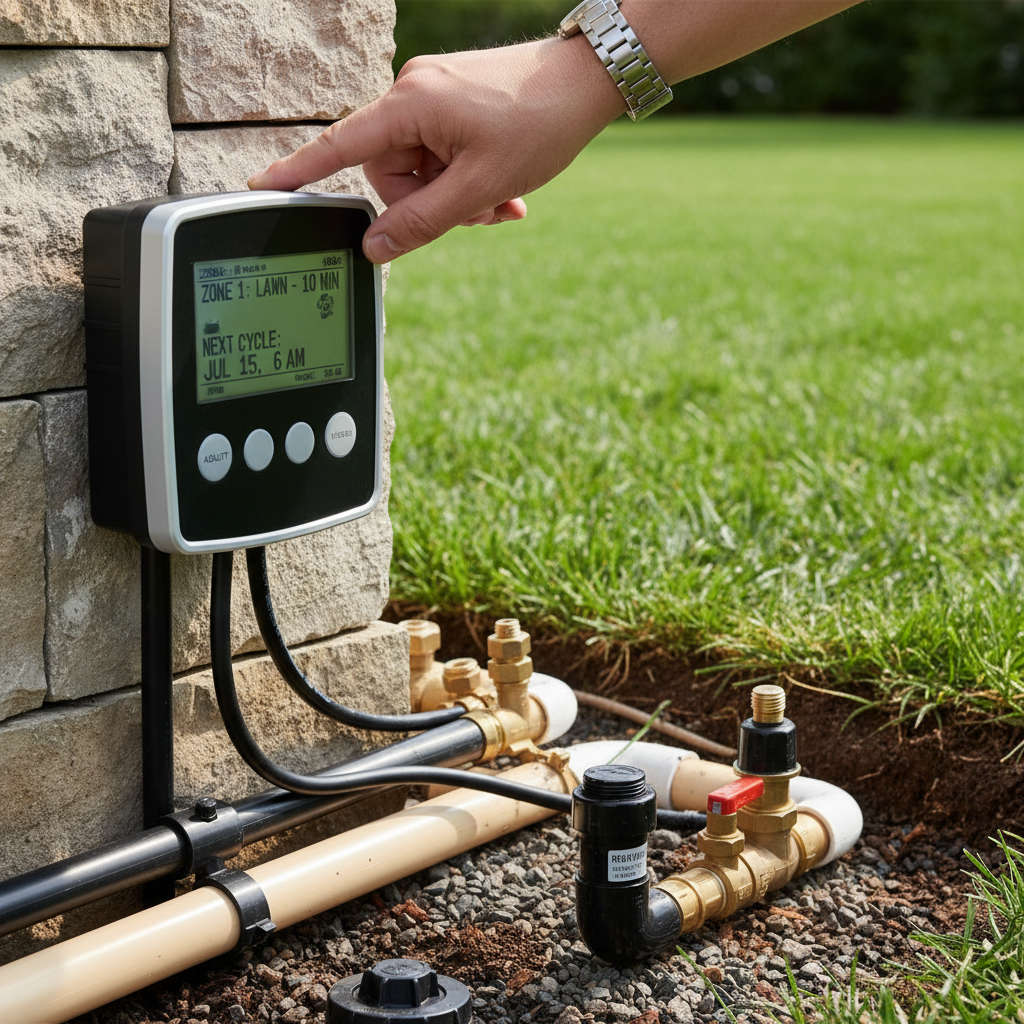
Consider using alternative methods such as drip irrigation or soaker hoses, which target the root zone directly and minimize evaporation. These methods can significantly reduce water usage while ensuring that plants receive the necessary moisture.
Myth 3: Watering During the Day is Best
Some gardeners water their plants during the day, believing it's the most beneficial time. However, watering during the hottest part of the day can lead to increased evaporation, meaning less water reaches the plant roots.
Optimal Watering Times
For best results, water your garden early in the morning or late in the afternoon. These times allow water to penetrate the soil without excessive evaporation, ensuring that plants receive the moisture they need.
Conclusion: Smart Irrigation Practices
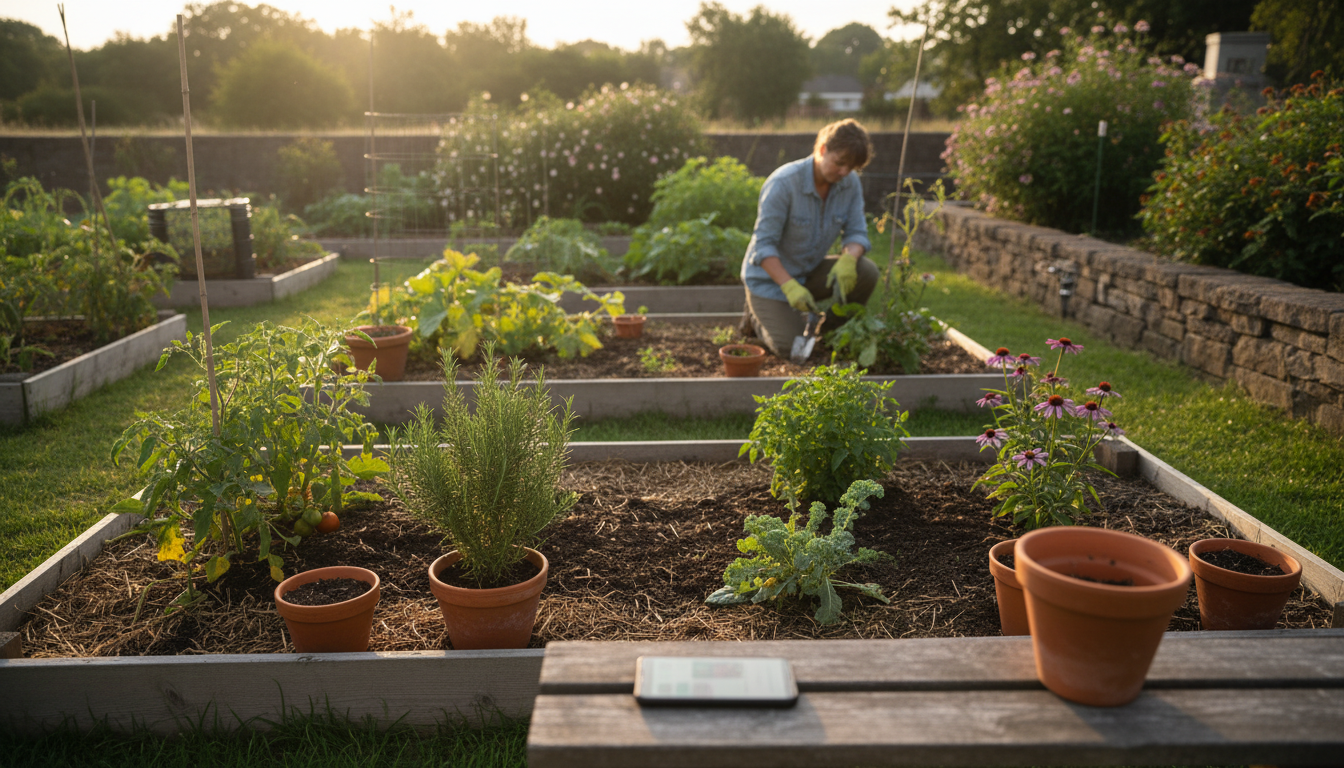
By debunking these common myths, you can adopt smarter irrigation practices that promote healthier plants and conserve water. Remember to consider plant-specific needs, explore efficient irrigation methods, and choose the right times to water your garden. These steps will help you create a thriving, sustainable garden.